 CASTLE
The reconstruction shows Flix around 1410, shortly after the city of Barcelona bought the barony (1398) to control the wheat that came down the Ebro. The walled town occupied the isthmus of the meander, protected by an old castle that has since disappeared and by walls that ran down to the upper river (riu de Dalt) and the lower river (riu de Baix). The shape of the castle is hypothetical. Today the landscape is dominated by the Castell Nou, a Carlist fort of 1837 on another hill.
Works in the browser on computers and phones, with nothing to install. Fly with the drone and switch between then and now.
Interpretive recreation: our approach ›
Or fly over it as the centuries go by: from the first settlement to today, with the town growing and the milestones of its history.
Or watch how it was raised: the years of building up to its heyday, with masons, treadwheel cranes, carts and the passing seasons (interpretive recreation).
🏰 Enter the castle in 3D⏳ See how it changed⚒ How they built it
- Period reconstructed
- c. 1410
- Town
- Flix
- County
- Ribera d'Ebre
- Province
- Tarragona
- Region
- Catalonia
- Coordinates
- 41.23060, 0.54860 · Open the map
Leave us your email and we'll send you the poster of this castle at its height, high resolution, ready to print, plus two wallpapers (computer and phone). We'll also tell you about news on this castle. No passwords; unsubscribe any time.
Are you at the castle? Get its stamp for your castle passport. We only check that you are within 300 m; we don't store your location.
Old Castle (vanished)
A fortress of Andalusi origin on the hill of the isthmus, center of Barcelona's barony; destroyed in the 18th c. Its site and shape are hypothetical.
Main square and church
The heart of the walled town; the present church of the Assumption is late Gothic.
Walls of the isthmus
Two stretches of wall ran down from the castle to the riu de Dalt and the riu de Baix and closed off the town.
Towers of the Riu de Baix
The best-preserved river front, with up to nine towers and stretches of wall documented in 2009.
Ferry crossing
A ferry that crossed the Ebro next to a large round tower; Barcelona controlled its crossings and tolls.
River port and grain store
Here Barcelona gathered the wheat from Aragon to send it overland toward Miramar; the precise location is not documented.
Roca del Tormo
A crag above the river with oval and circular towers of the wall.
Castell Nou (1837)
A triangular Carlist fort with three round towers, restored in 2009–2010. It did not exist in 1410.
1938 trenches
Remains of Republican trenches on the hill of the castle and the cemetery.
Iberian settlement of Castellons
An Iberian settlement inside the meander, evidence of ancient occupation at this river crossing.
Videos and stories about this place on our account.
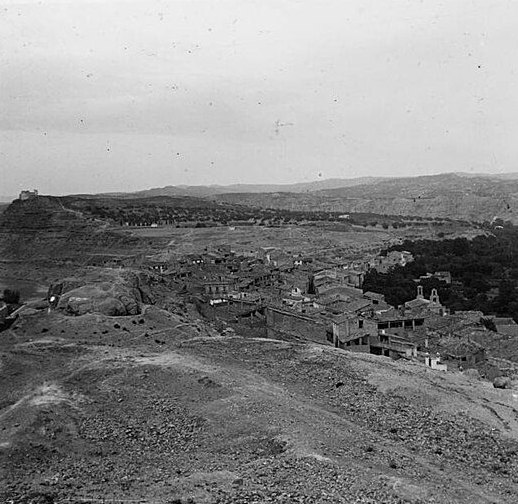
Photo: Josep Salvany i Blanch · Public domain
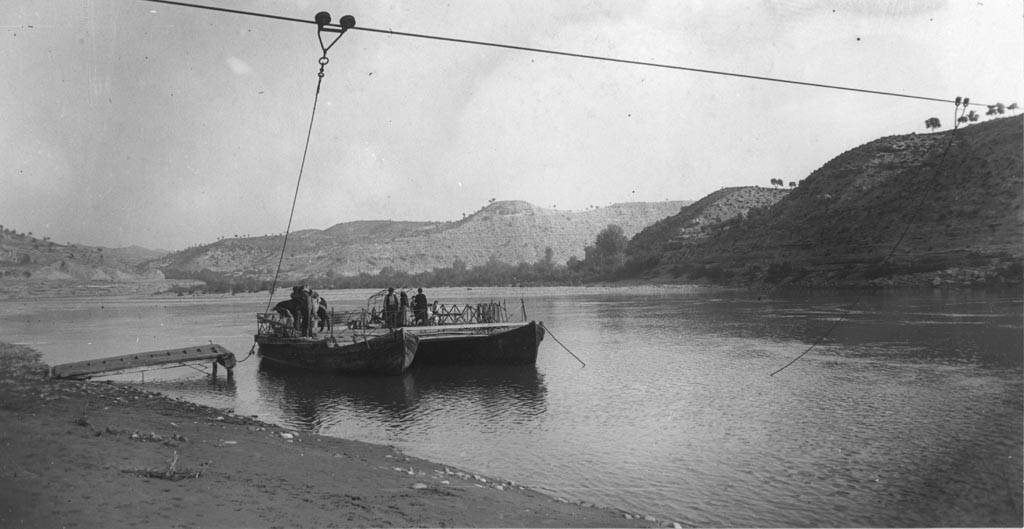
Photo: Antoni Gallardo i Garriga · Public domain
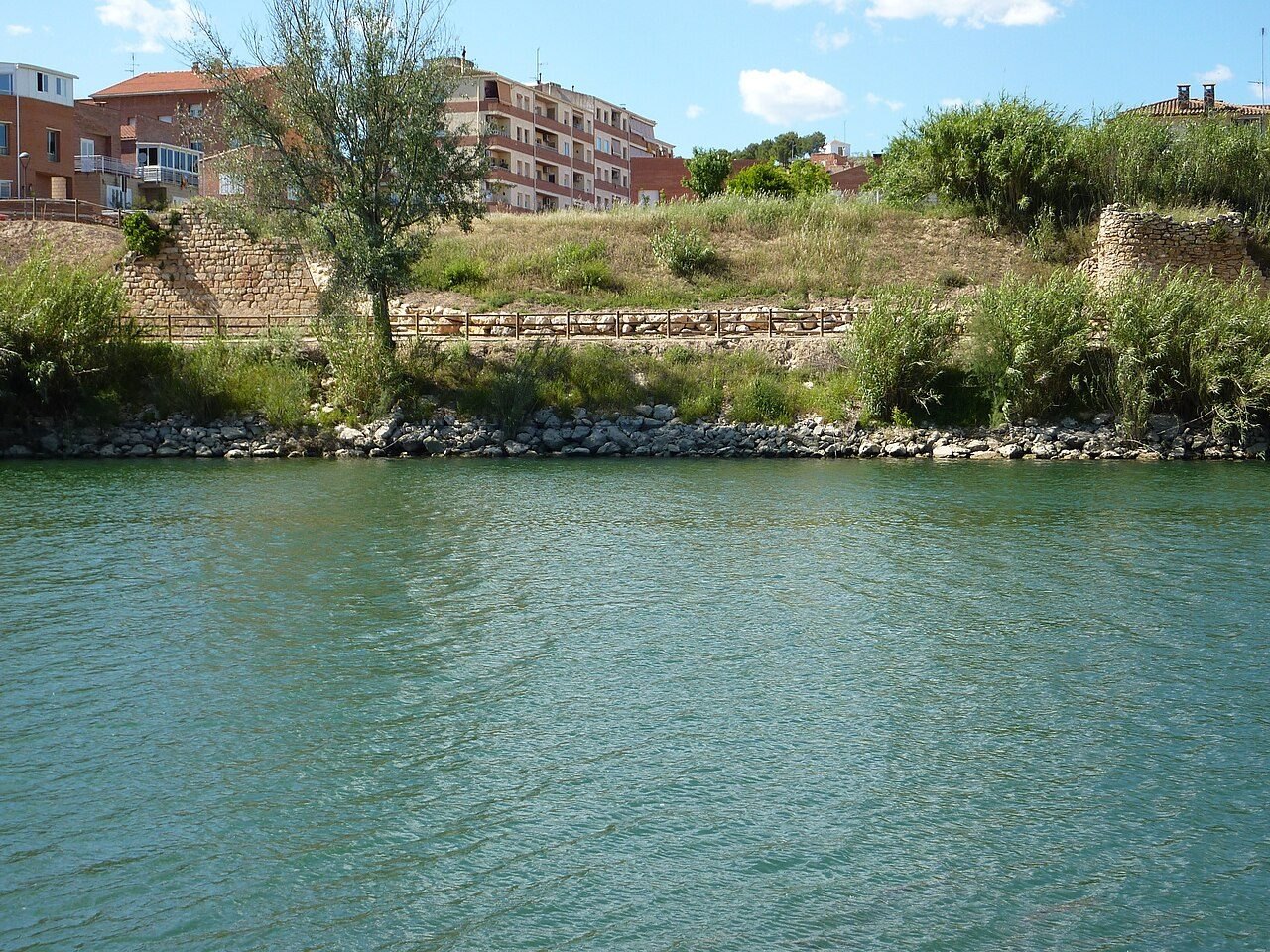
Photo: Scs1978 · CC BY-SA 3.0
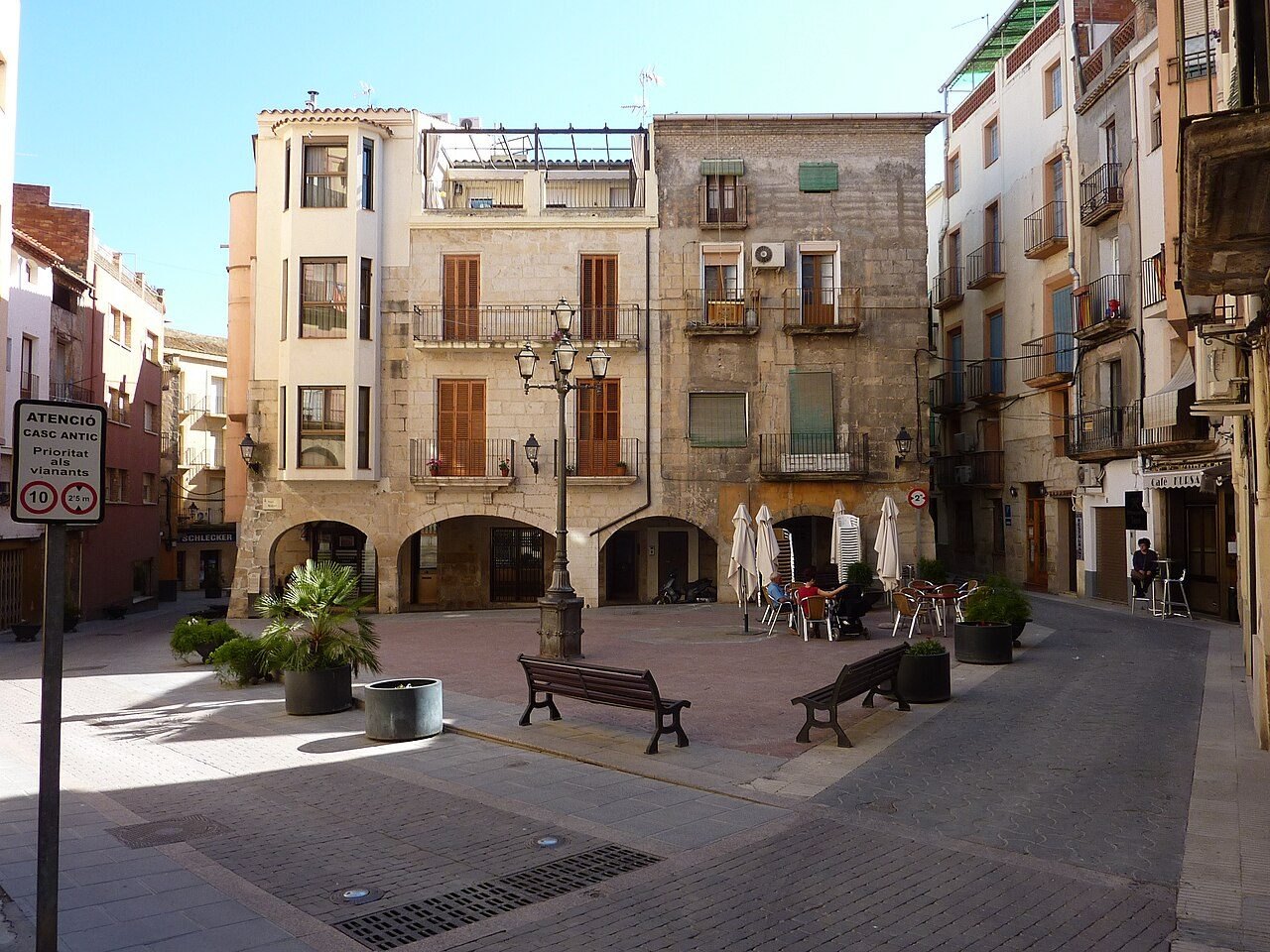
Photo: Scs1978 · CC BY-SA 3.0
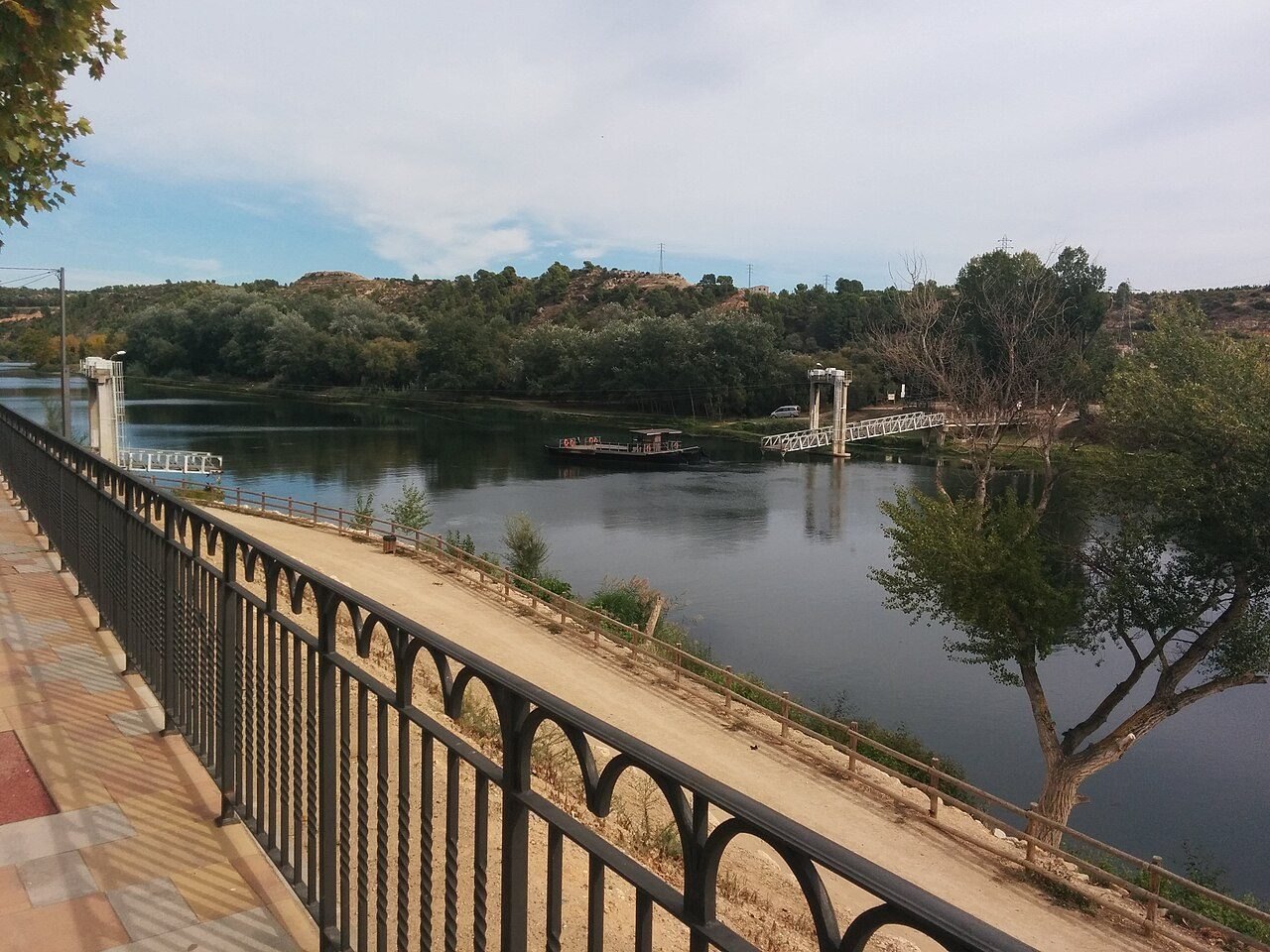
Photo: Victuallers · CC BY-SA 3.0
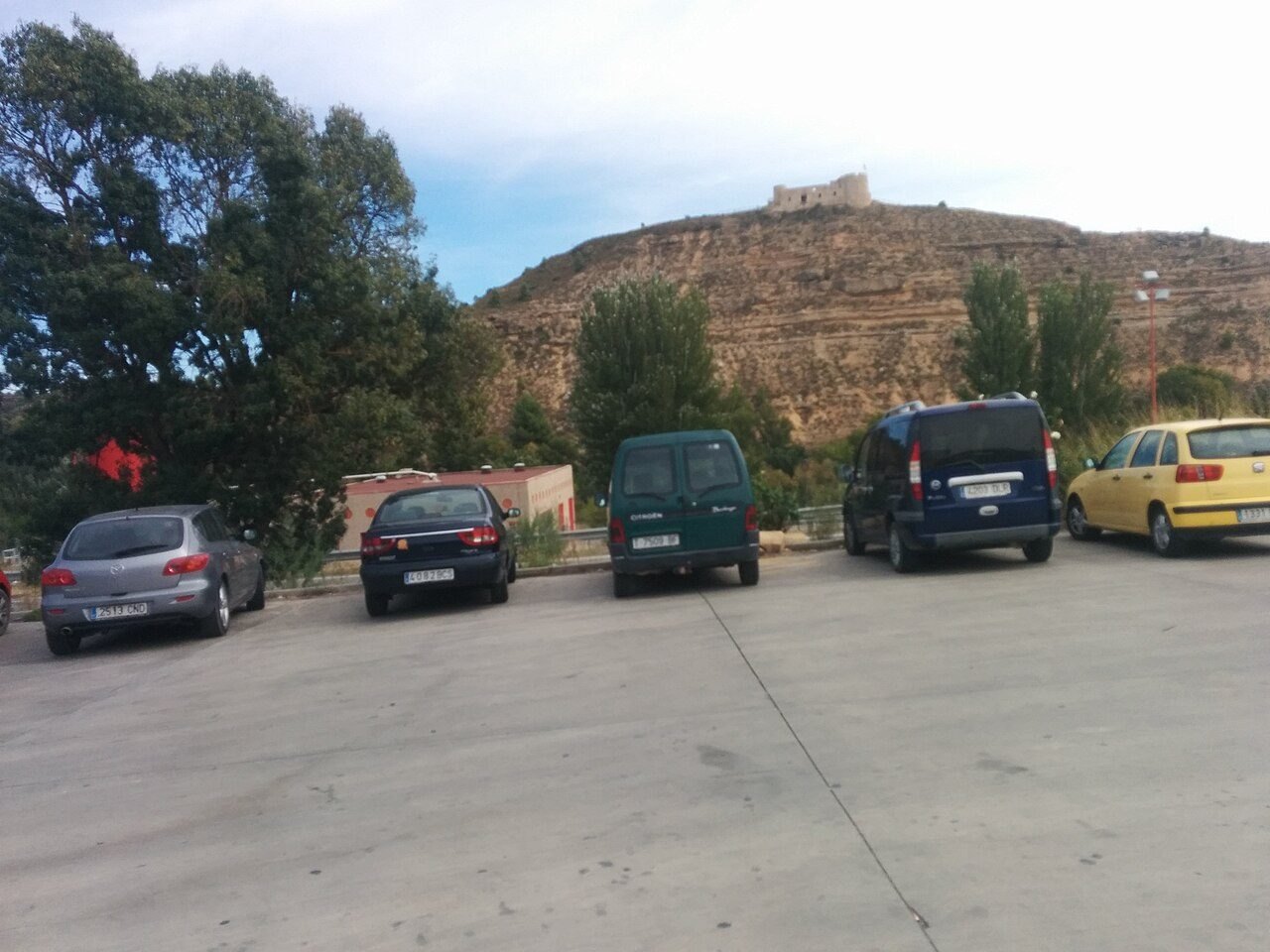
Photo: Victuallers · CC BY-SA 3.0
- 8th c.–1153
Andalusi frontier hisn
Flix must have been a fortress on the Andalusi frontier, in line with Ascó, Miravet and Riba-roja; the origin of the old castle is hypothetical.
source: Universitat de Barcelona: Flix i el meandre - c. 1153
The comital conquest
Ramon Berenguer IV occupies Flix after the capture of Tortosa and grants guarantees to the Muslims who stay.
source: Catalunya Romànica: Castell de Flix - 1154–1257
Fief of the Voltas
The count cedes the castle to the Genoese Bonifaci de Volta; the Voltas keep it until 1257.
source: J. Serrano Daura, senyoria i municipi a Flix (AHCB, 2015) - 1257–1308
The Boscs and the Customs of Flix
The castle passes to the Bosc family, and in 1308 Pere del Bosc grants the Customs of Flix, which recognize the usages of Tortosa.
source: Gran Enciclopèdia Catalana: Flix - 1398
Barcelona buys the barony
The Council of Barcelona buys Flix, la Palma and the Mas de Flix to secure the arrival of Aragonese wheat down the Ebro without passing through Tortosa.
source: J. Serrano Daura, senyoria i municipi a Flix (AHCB, 2015) - c. 1410
Barcelona's grain port
With the land register of 1400–1403, the road to Miramar (completed in 1411), mills, irrigation and an annual fair, Flix becomes Barcelona's river warehouse.
source: Enciclopèdia Catalana: la baronia de Flix i el blat de Barcelona - 1462–1481
War against John II
The bailiff Francesc de Vilanova defends the castle until it surrenders in 1466; in 1481 Ferdinand II returns it to Barcelona.
source: Viquipèdia: Antic sistema defensiu de Flix - 1640–1650
Reapers' War
The French refortify the town and the castle with bastions; Flix capitulates in September 1650.
source: Gran Enciclopèdia Catalana: Flix - 1705–1718
Ruin of the old castle
The fortress is destroyed in the War of the Spanish Succession; in 1783 it is described as ruinous.
source: Viquipèdia: Antic sistema defensiu de Flix - 1837–1876
The Carlist Castell Nou
On the orders of Ramón Cabrera the Castell Nou is built on another hill of the meander; General Gamir takes it in 1875.
source: Viquipèdia: Castell de Flix - 1938
Battle of the Ebro
Flix is retaken by the Republicans on July 25, and on November 16 the Army of the Ebro carries out its last retreat across the river there.
source: Gran Enciclopèdia Catalana: Flix - 2009–today
Restoration and finds
The Castell Nou is restored and stretches of wall and towers of the Riu de Baix come to light.
source: Govern.cat (2009)
Using the 3D model we worked out how big this castle was and what it took to build it. Here is a sample:
- How many people worked, how much stone, lime and carts, year by year
- Work by work and how we calculate it
- The data to download (CSV)
Leave your email and you will see everything, for this castle and all the others. As a gift, the castle poster.
Already signed up? Sign in with your email- Catalunya Romànica: Castell de Flix
- Gran Enciclopèdia Catalana: Flix
- Enciclopèdia Catalana: la baronia de Flix i el blat de Barcelona
- J. Serrano Daura, senyoria i municipi a Flix (AHCB, 2015)
- Viquipèdia: Castell de Flix
- Viquipèdia: Antic sistema defensiu de Flix
- MDT: IGN · Ortofoto: ICGC (CC BY 4.0)
- Cadastre (INSPIRE)
🏰 Enter the castle in 3D⏳ See how it changed⚒ How they built it