 CASTLE
Granted to the Templars in 1174, Horta was the seat of a Templar commandery documented from 1193. The reconstruction shows it around 1280: the castle crowned the hill and the streets of the original core spiraled around it. Nothing visible remains of the castle and its shape is hypothetical; the present walls and Gothic church date from the 14th century.
Works in the browser on computers and phones, with nothing to install. Fly with the drone and switch between then and now.
Interpretive recreation: our approach ›
Or fly over it as the centuries go by: from the first settlement to today, with the town growing and the milestones of its history.
Or watch how it was raised: the years of building up to its heyday, with masons, treadwheel cranes, carts and the passing seasons (interpretive recreation).
🏰 Enter the castle in 3D⏳ See how it changed⚒ How they built it
- Period reconstructed
- c. 1280
- Town
- Horta de Sant Joan
- County
- Terra Alta
- Province
- Tarragona
- Region
- Catalonia
- Coordinates
- 40.95450, 0.31597 · Open the map
Leave us your email and we'll send you the poster of this castle at its height, high resolution, ready to print, plus two wallpapers (computer and phone). We'll also tell you about news on this castle. No passwords; unsubscribe any time.
Are you at the castle? Get its stamp for your castle passport. We only check that you are within 300 m; we don't store your location.
Castle and commandery
Probable seat of the Templar commandery from 1193: an enclosure with nine open-backed towers, a round tower and a chapel. Nothing visible remains today.
Sant Joan Baptista
Parish church documented in 1185; the present building is Gothic (14th–15th c.) and the church of 1280 was earlier.
Round tower
Tower at the highest point of the enclosure; it was the last part of the castle to be torn down, in 1771.
Albacar
Outer enclosure surrounding the castle, probably of Andalusi origin; the layout is hypothetical.
Original core
Concentric streets spiraling up toward the castle: this is the town of 1280.
Town wall
14th-century wall built under Peter the Ceremonious, with six documented gateways; none survives in its original form.
Santa Maria d'Horta / Sant Salvador
Templar church from the first half of the 13th c., with a single nave, diaphragm arches and a rib-vaulted apse; later a Franciscan friary.
Videos and stories about this place on our account.
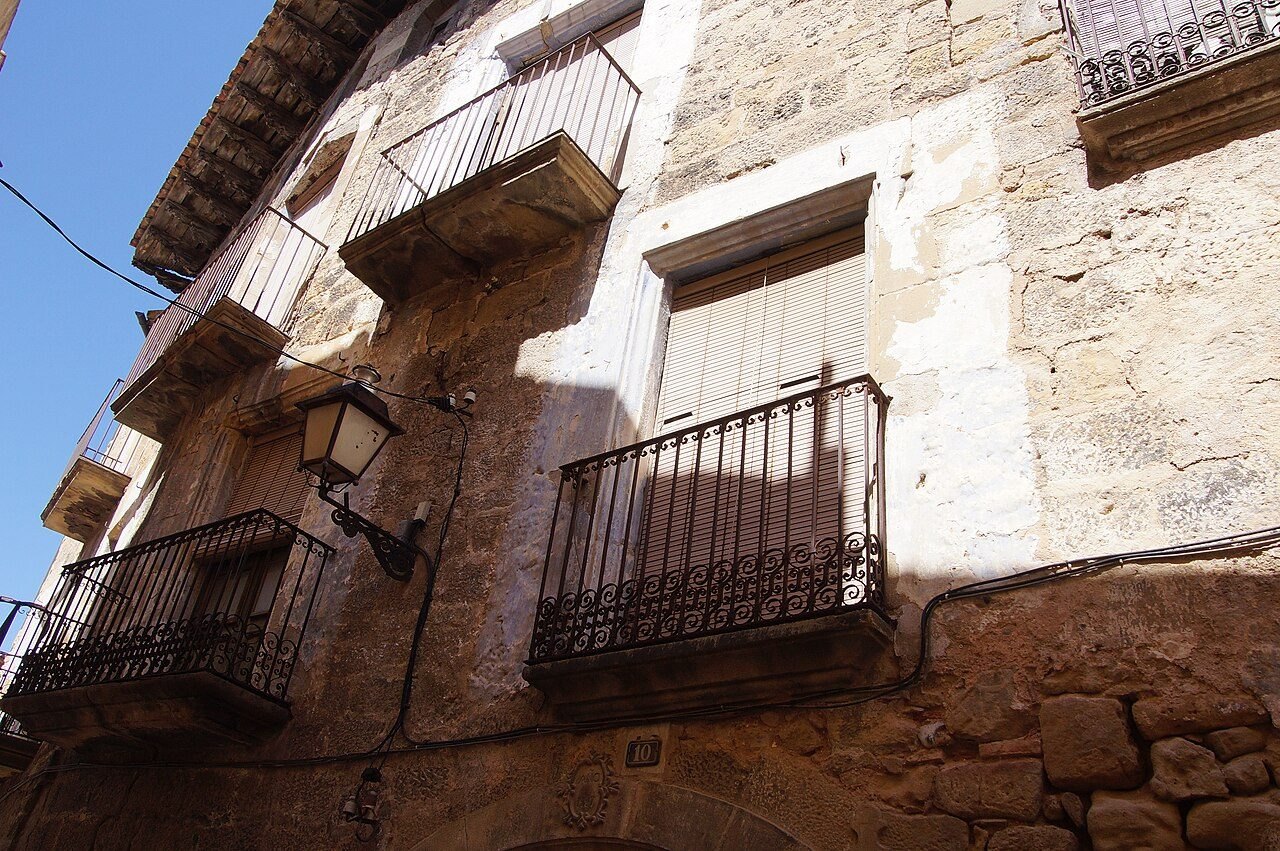
Photo: DagafeSQV · CC BY-SA 4.0
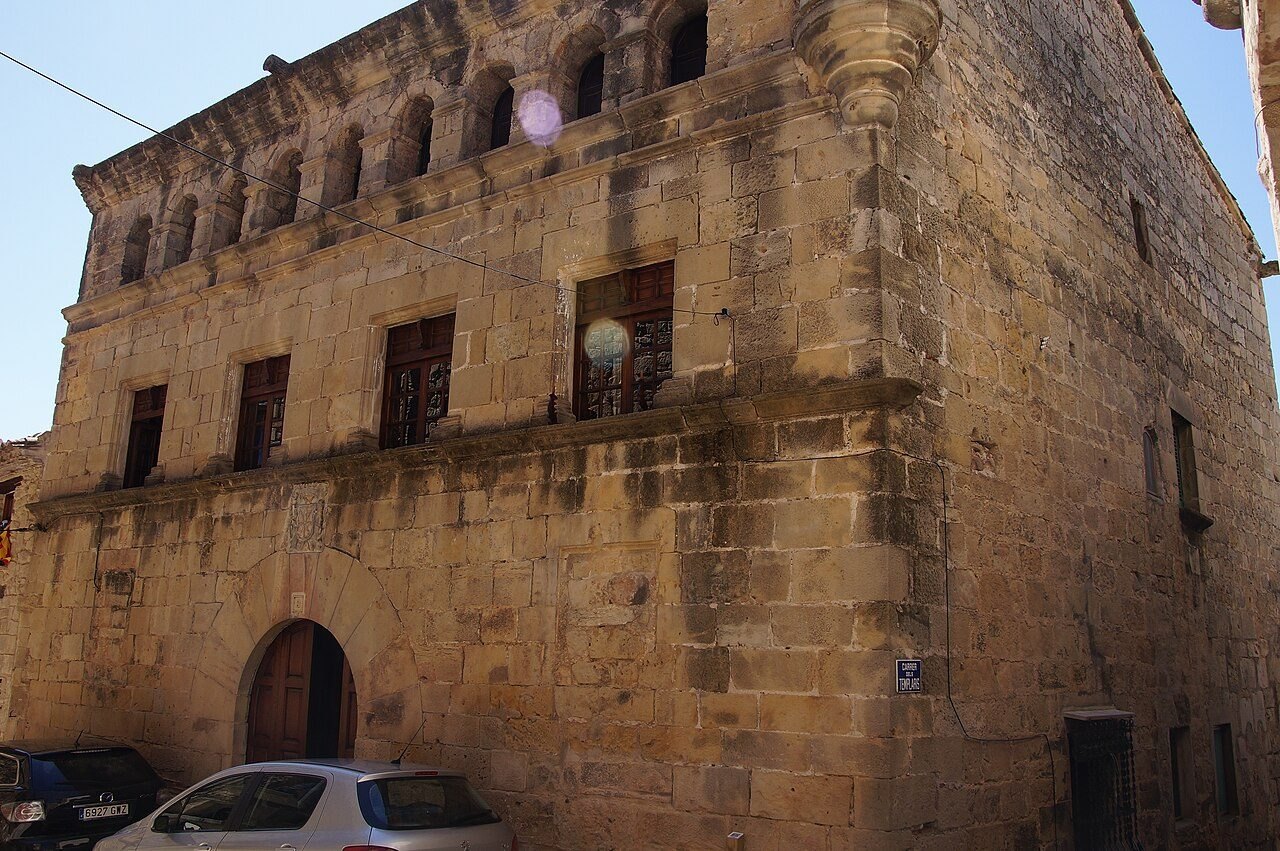
Photo: DagafeSQV · CC BY-SA 4.0
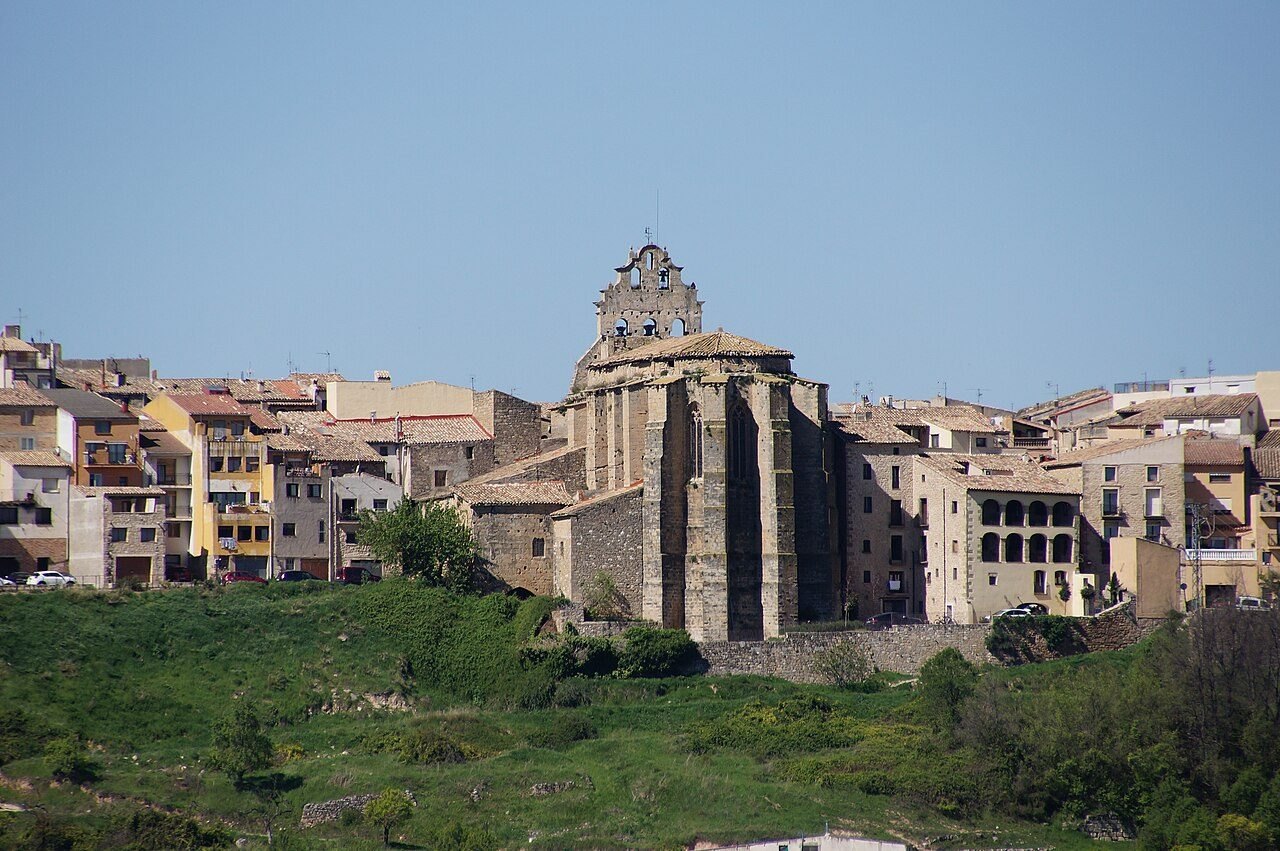
Photo: DagafeSQV · CC BY-SA 4.0
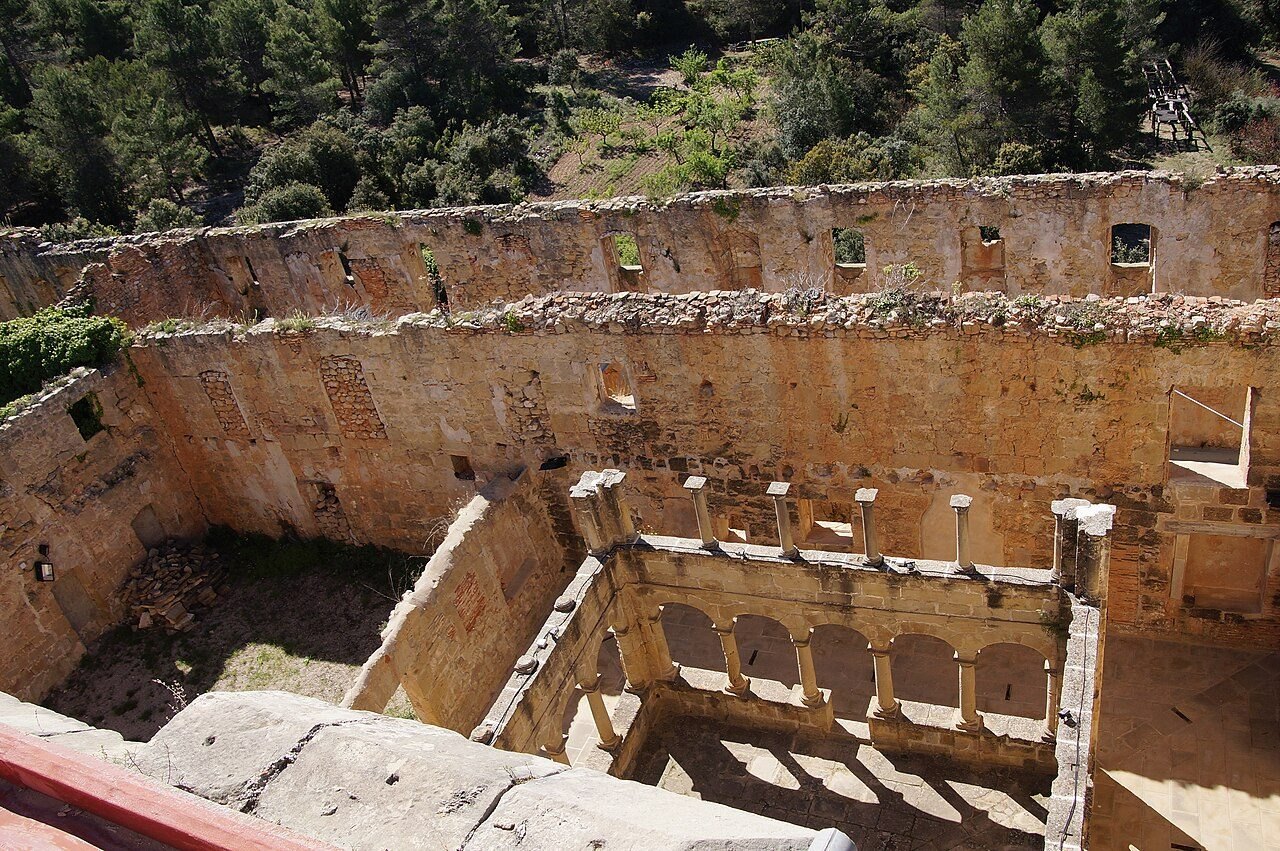
Photo: DagafeSQV · CC BY-SA 4.0
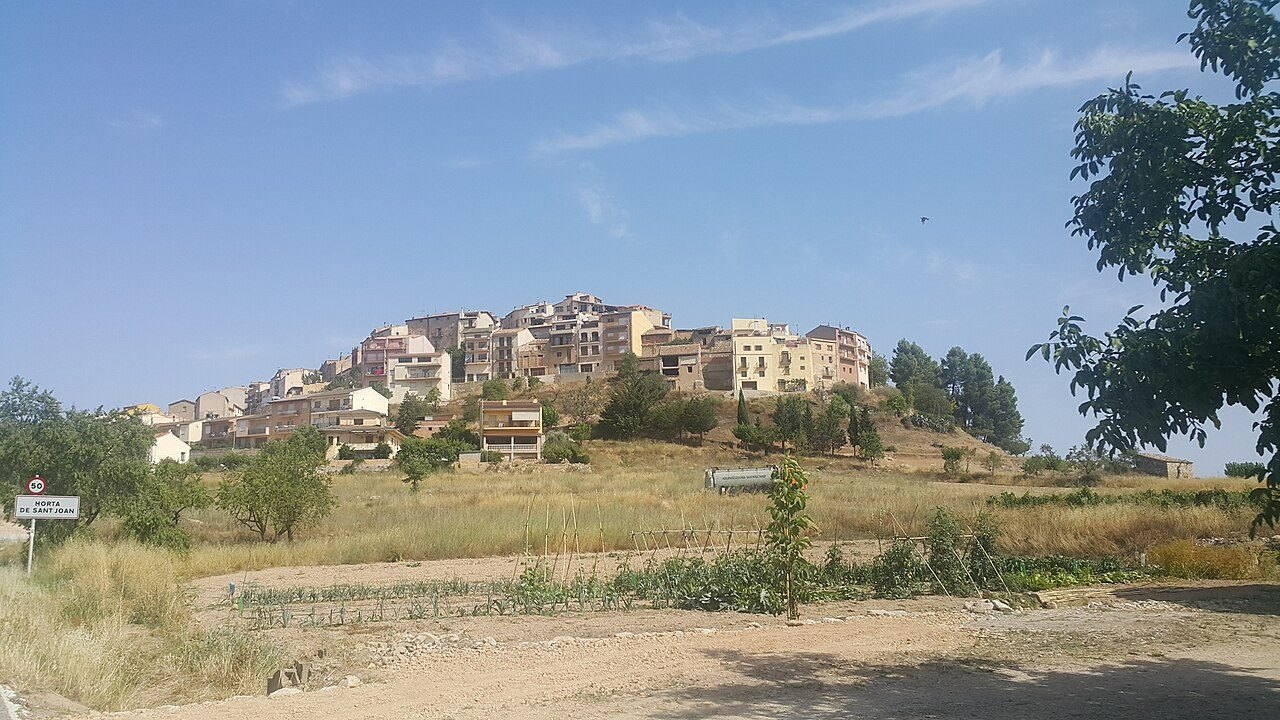
Photo: Friviere · CC0
- 1153
First mention
Horta appears for the first time in the grant of Miravet Castle to the Templars, while still in Andalusi frontier territory.
source: Catalunya Romànica: Castell d'Horta de Sant Joan - 1165
Royal settlement charter
Alfonso the Chaste grants the first settlement charter in the Terra Alta and keeps the castle for himself.
source: Catalunya Romànica: Castell d'Horta de Sant Joan - 1174
Grant to the Templars
The king grants the castle of Horta and its lands to the Order of the Temple.
source: Catalunya Romànica: Castell d'Horta de Sant Joan - 1182
The Templars, sole lords
Ramon de Montcada gives up his rights over the castle for 1,000 morabetinos.
source: Catalunya Romànica: Castell d'Horta de Sant Joan - 1185
Agreement with the Bishop of Tortosa
The Templars cede a plot for the parish church, the chaplain's house and the cemetery, and undertake to resettle the place.
source: Catalunya Romànica: Sant Joan d'Horta - 1192–1193
New charter and commandery
A new settlement charter under the law of Lleida; the commandery of Horta, independent of Miravet, is documented from 1193.
source: Catalunya Romànica: Castell d'Horta de Sant Joan - c. 1200–1250
Santa Maria d'Horta
About 2 km to the east, the Templars build the single-nave church with a rib-vaulted apse, today's Sant Salvador.
source: Catalunya Romànica: Sant Salvador d'Horta - 1280
The Templar commandery at its height
The papal tithe records the chaplain of Sant Joan d'Horta and that of Santa Maria d'Horta; the town operates under the lordship of the Templars.
source: Catalunya Romànica: Sant Joan d'Horta - 1296–1307
Ximén de Lenda, commander
In 1307 the commander of Horta becomes the last provincial master of the Temple, before the arrests of December.
source: MedCat: Ximén de Lenda - 1317
Transfer to the Hospitallers
The town, the castle and the friary pass to the Order of the Hospital, which will be their lord until the 19th century.
source: Catalunya Romànica: Castell d'Horta de Sant Joan - 14th c.
Walls and Gothic church
The walls of the square sector are built and work begins on the Gothic church of Sant Joan Baptista; in 1378 Horta has 81 households.
source: Viquipèdia: Nucli antic d'Horta de Sant Joan - 1547–1559
Friar Salvador
The Franciscans occupy the former Templar friary; Friar Salvador lives there and gives it its present name.
source: Catalunya Romànica: Sant Salvador d'Horta - 1706–1771
Destruction of the castle
The castle is destroyed in the War of the Spanish Succession; the keep is torn down in 1771.
source: Viquipèdia: Castell i muralla d'Horta de Sant Joan
Using the 3D model we worked out how big this castle was and what it took to build it. Here is a sample:
- How many people worked, how much stone, lime and carts, year by year
- Work by work and how we calculate it
- The data to download (CSV)
Leave your email and you will see everything, for this castle and all the others. As a gift, the castle poster.
Already signed up? Sign in with your email- Catalunya Romànica: Castell d'Horta de Sant Joan
- Catalunya Romànica: Sant Joan d'Horta
- Catalunya Romànica: Sant Salvador d'Horta
- Viquipèdia: Castell i muralla d'Horta de Sant Joan
- Viquipèdia: Nucli antic d'Horta de Sant Joan
- Patrimoni Cultural: Conjunt Horta de Sant Joan
- MDT: IGN · Ortofoto: ICGC (CC BY 4.0)
- Cadastre (INSPIRE)
🏰 Enter the castle in 3D⏳ See how it changed⚒ How they built it