 CASTLE
The reconstruction shows Tamarit around 1370, three decades after the see of Tarragona bought the lordship (1339) and seven years after Peter III ordered it walled (1363). The castle and the church of Santa Maria occupy a headland above the sea, next to the mouth of the Gaià, with the fishing harbor and the walled town to the west and north. The church (Romanesque, from the second half of the 12th c.) and the square tower are real remains; the plan of the enclosure, the course of the wall, the heights and the town are a hypothesis drawn on the orthophoto, because we have not found any published plan. The palace and tower seen today are the work of Charles Deering's restoration (1916) and are not drawn.
Works in the browser on computers and phones, with nothing to install. Fly with the drone and switch between then and now.
Interpretive recreation: our approach ›
Or fly over it as the centuries go by: from the first settlement to today, with the town growing and the milestones of its history.
- Period reconstructed
- c. 1370
- Town
- Tarragona
- County
- El Tarragonès
- Province
- Tarragona
- Region
- Catalonia
- Coordinates
- 41.13010, 1.36121 · Open the map
Leave us your email and we'll send you the poster of this castle at its height, high resolution, ready to print, plus two wallpapers (computer and phone). We'll also tell you about news on this castle. No passwords; unsubscribe any time.
Are you at the castle? Get its stamp for your castle passport. We only check that you are within 300 m; we don't store your location.
Santa Maria
Romanesque church from the second half of the 12th c., with a rectangular nave, pointed barrel vault and square apse to the east; mentioned in a bull of 1154. The side chapels and the sacristy are later and are not drawn; its position in the enclosure, orientation and heights are hypothetical.
Square tower
Ashlar tower next to the church, dated to the 12th or 13th c.; it partly collapsed in the Middle Ages and was rebuilt with a sloping base. The dimensions and height in the model are hypothetical, and the large tower and palace seen today are from the 1916 restoration.
Enclosure gate
The town wall had four gates, two of which survive, the Portal de la Mora and the Portal de la Creu. The castle enclosure gate shown in the model is a hypothesis, like the rest of the layout.
The walled town
The old village of Tamarit consisted of a few dozen small houses, with one or two rooms, with streets and two circular cisterns, between the castle gate and the cliffs; in 1365-1370 80 hearths are recorded. The houses in the model are a sample, not the real plot layout.
Harbor and cove
Tamarit was a fishing and trading port until the early modern period. Its landing place would have been at the mouth of the Gaià and in the coves of Jovera and Tamarit; its exact location is unknown.
Videos and stories about this place on our account.
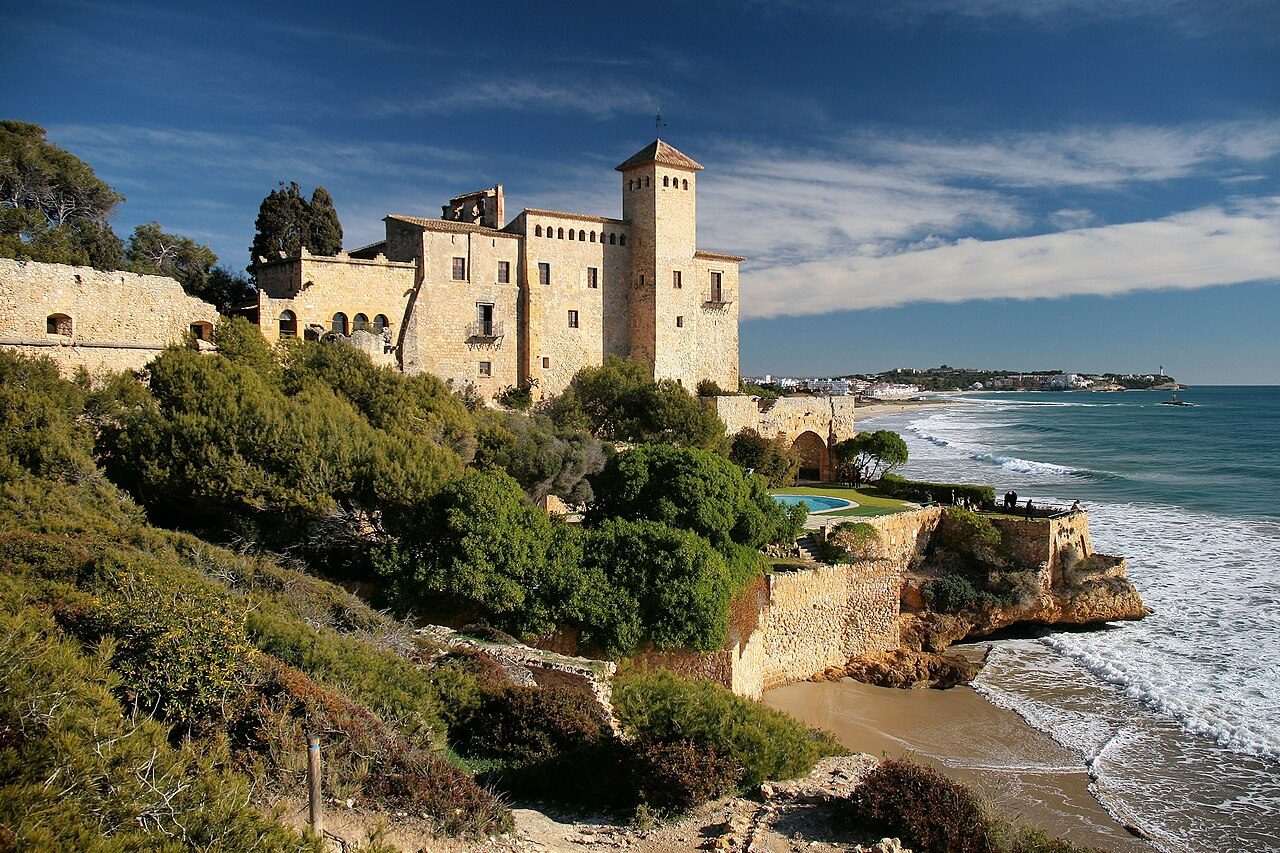
Photo: Jorge Franganillo · CC BY 3.0
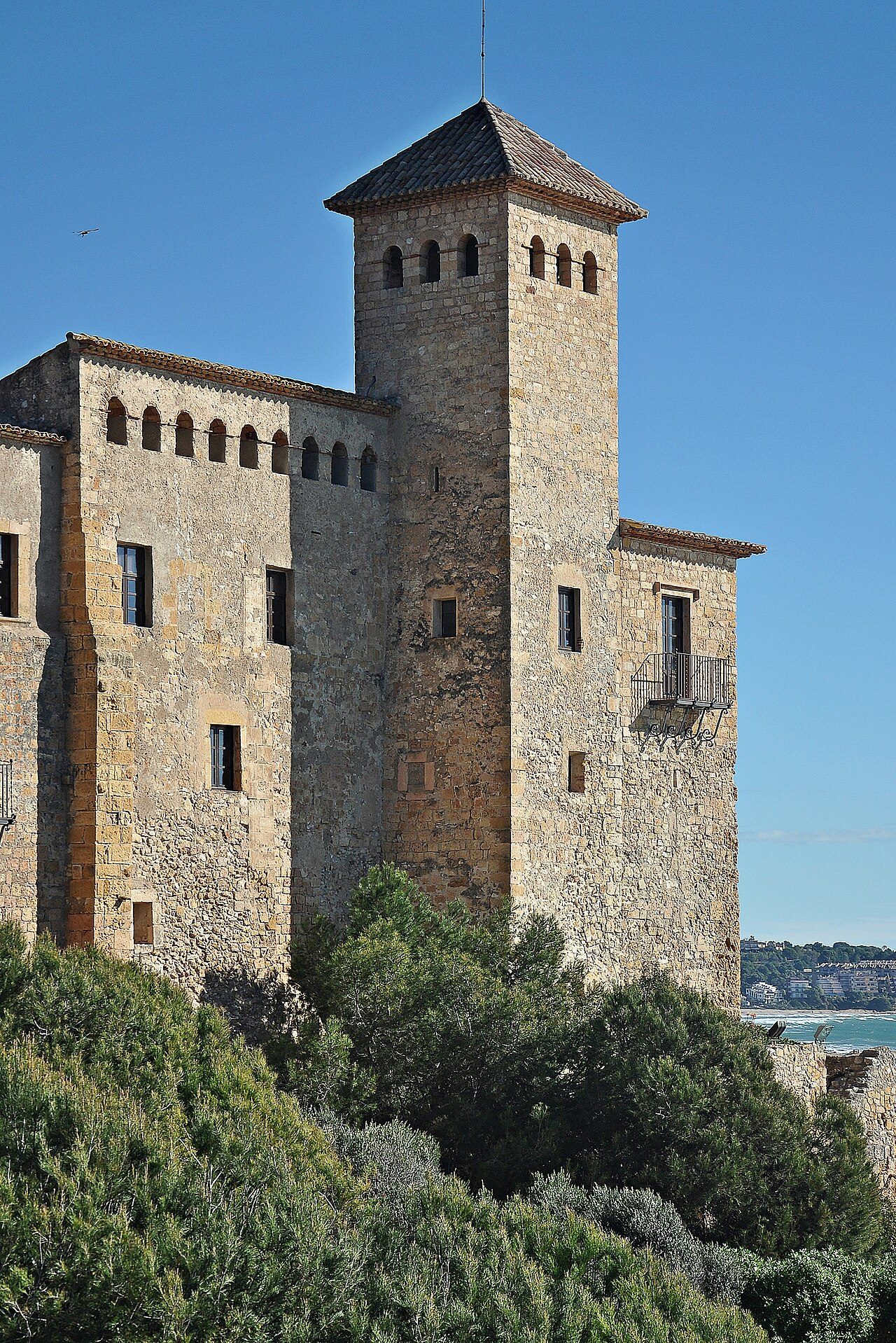
Photo: Alberto-g-rovi · CC BY-SA 4.0
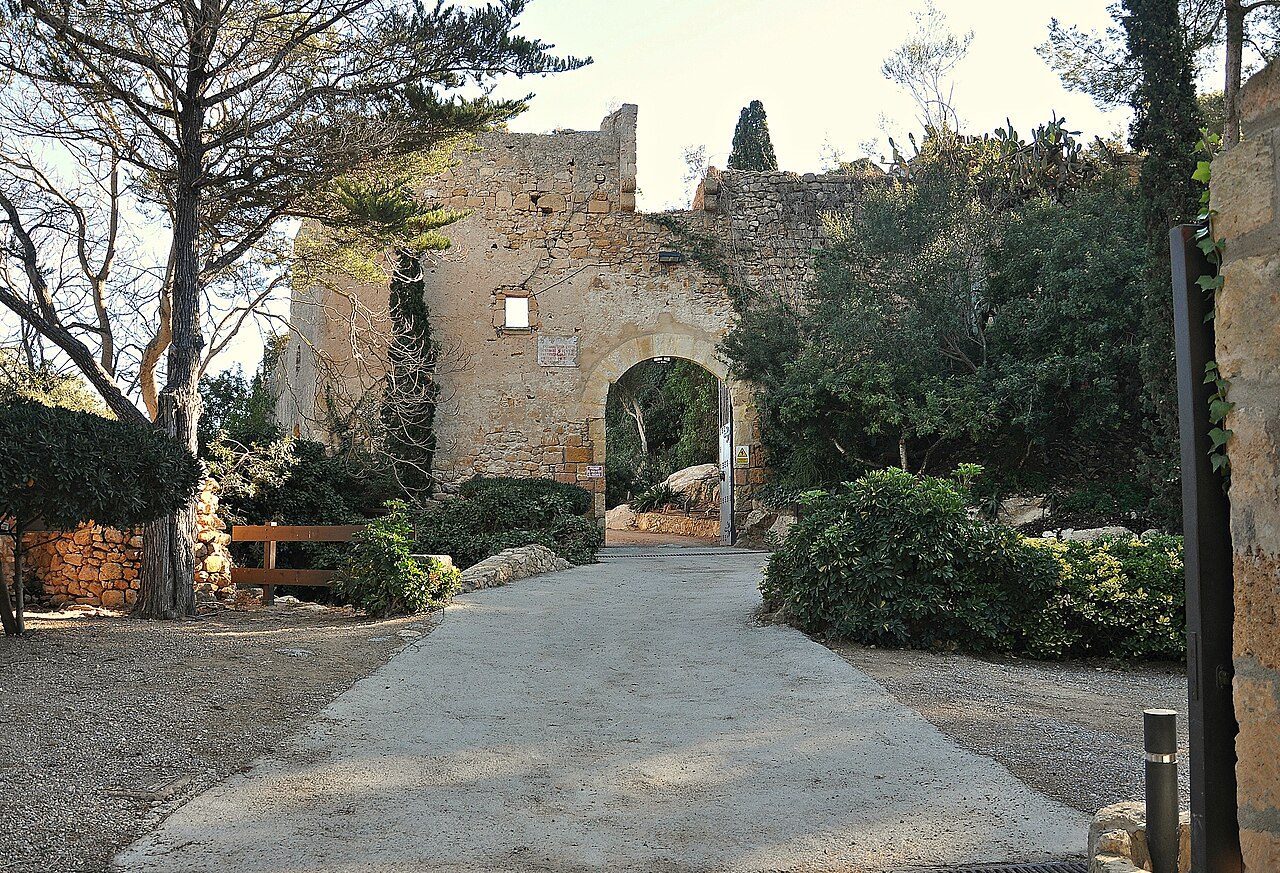
Photo: Alberto-g-rovi · CC BY-SA 4.0
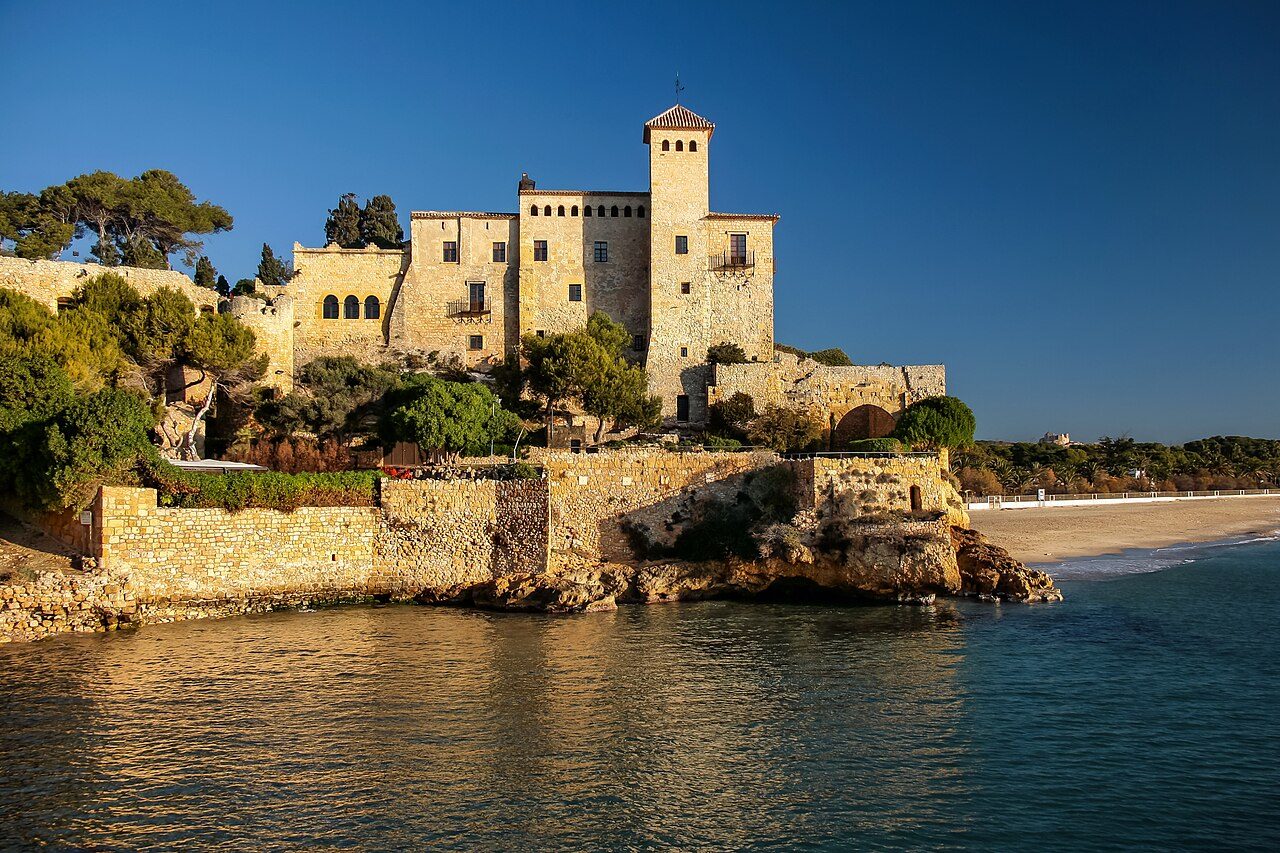
Photo: Jorge Franganillo · CC BY 2.0
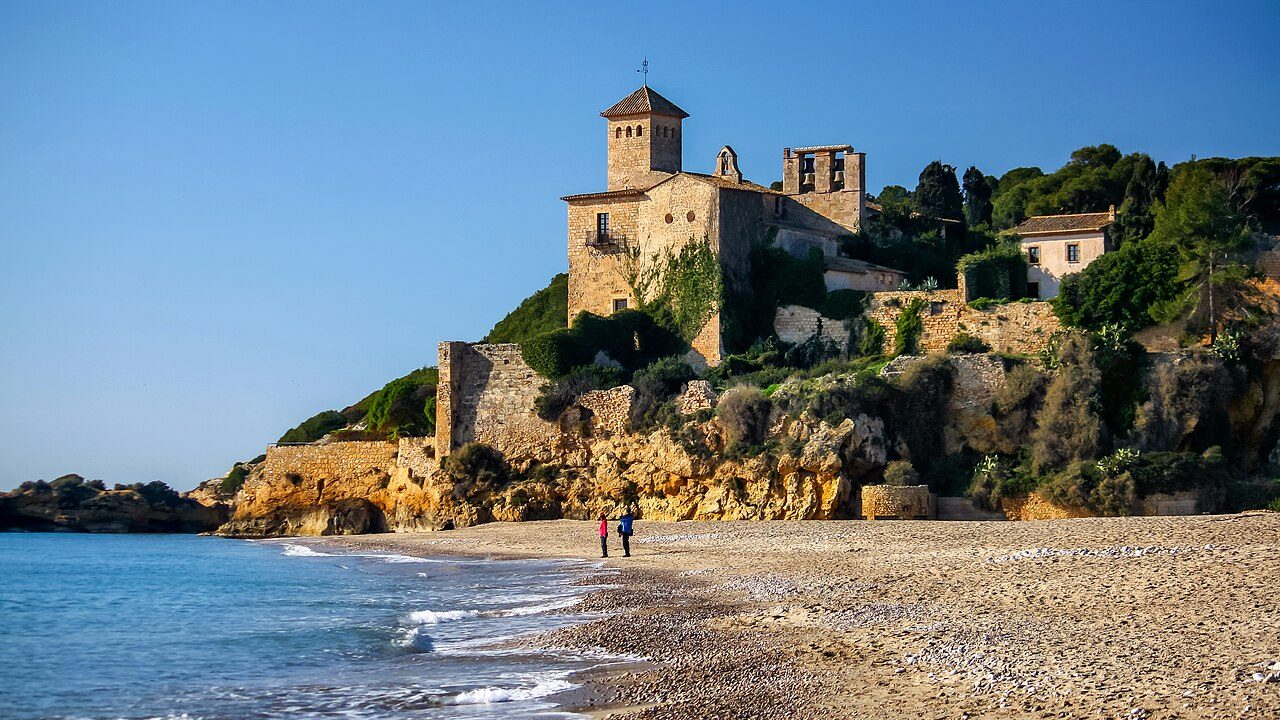
Photo: Jorge Franganillo · CC BY 2.0
- 1049
The count buys the castle
Bernat Sendred de Gurb sells the castellany of Tamarit, the southernmost in the County of Barcelona, to Ramon Berenguer I for 308 ounces of gold.
source: Catalunya Romànica: Castell de Tamarit - 1060
The Claramunts
The count grants the castle in fief to Bernat Amat de Claramunt, who also receives the Viscounty of Tarragona.
source: Catalunya Romànica: Castell de Tamarit - 1154
Santa Maria, in the bull of Anastasius IV
The church of Tamarit appears for the first time in a papal bull confirming the possessions of the Church of Tarragona.
source: Catalunya Romànica: Santa Maria de Tamarit - 1339
It passes to the see of Tarragona
The lordship is sold to the see of Tarragona for 13,000 sous; the archbishops had held rights there since the 13th c.
source: Catalunya Romànica: Castell de Tamarit - 1363
Peter III orders the town walled
With the war against Castile, the king orders Tamarit enclosed by a wall.
source: Catalunya Romànica: Castell de Tamarit - 1470–1475
Navarrese mercenaries
In the civil war against John II, the castle is held by John's supporters and, from 1470 to 1475, by Navarrese mercenaries under Juan de Armendáriz.
source: Catalunya Romànica: Castell de Tamarit - 1916
Charles Deering restores it
The archdiocese sells it to the American magnate Charles Deering, who carries out a romantic restoration; today it is privately owned and a BCIN.
source: Viquipèdia: Castell de Tamarit
- Catalunya Romànica: Castell de Tamarit (Tarragona)
- Catalunya Romànica: Santa Maria de Tamarit
- Catalunya Romànica: Vilatge de Tamarit
- Gran Enciclopèdia Catalana: castell de Tamarit
- Viquipèdia: Castell de Tamarit
- Tarragona Turisme / Rutes: Castell de Tamarit
- Ortofoto ICGC (planta traçada a mà, sense plànol publicat)