 CASTLE
On the Puig del Castell (256 m), 1.5 km west of the present town, there was an Iberian settlement and later an Andalusi fortress. The reconstruction shows it around 1270: the Hospitaller commandery with the round tower, the keep and the church of Santa Maria, and the original village, Ulldecona la Vella, between the two walls, shortly before it moved down to the plain in 1274.
Works in the browser on computers and phones, with nothing to install. Fly with the drone and switch between then and now.
Interpretive recreation: our approach ›
Or fly over it as the centuries go by: from the first settlement to today, with the town growing and the milestones of its history.
Or watch how it was raised: the years of building up to its heyday, with masons, treadwheel cranes, carts and the passing seasons (interpretive recreation).
🏰 Enter the castle in 3D⏳ See how it changed⚒ How they built it
- Period reconstructed
- c. 1270
- Town
- Ulldecona
- County
- Montsià
- Province
- Tarragona
- Region
- Catalonia
- Coordinates
- 40.59539, 0.43063 · Open the map
Leave us your email and we'll send you the poster of this castle at its height, high resolution, ready to print, plus two wallpapers (computer and phone). We'll also tell you about news on this castle. No passwords; unsubscribe any time.
Are you at the castle? Get its stamp for your castle passport. We only check that you are within 300 m; we don't store your location.
Keep
A square tower of about 16 × 15.5 m on a sloping base, residence of the Hospitallers (13th c.), with walls up to 3 m thick and a raised door.
Ulldecona la Vella
Houses of the 1222 settlers between the two walls; in 1274 the village moved down to the plain.
Round tower
A truncated-cone watchtower about 10 m high, with two floors under a false dome and a terrace with six merlons.
Church of Santa Maria
The commandery chapel, today the Mare de Déu dels Àngels: a nave with a barrel vault, an apse to the east and a round-arched door.
Second enclosure
A fortified courtyard between the two towers and the church, the core of the commandery.
Approach
The path from the north probably follows the medieval route up to the front of the square tower.
Outer wall
A perimeter wall of Andalusi origin, rebuilt in dry stone; stretches up to 3 m high survive to the north.
Sant Lluc d'Ulldecona
The planned town on the plain from 1274 onward, with the church of Sant Lluc.
Videos and stories about this place on our account.
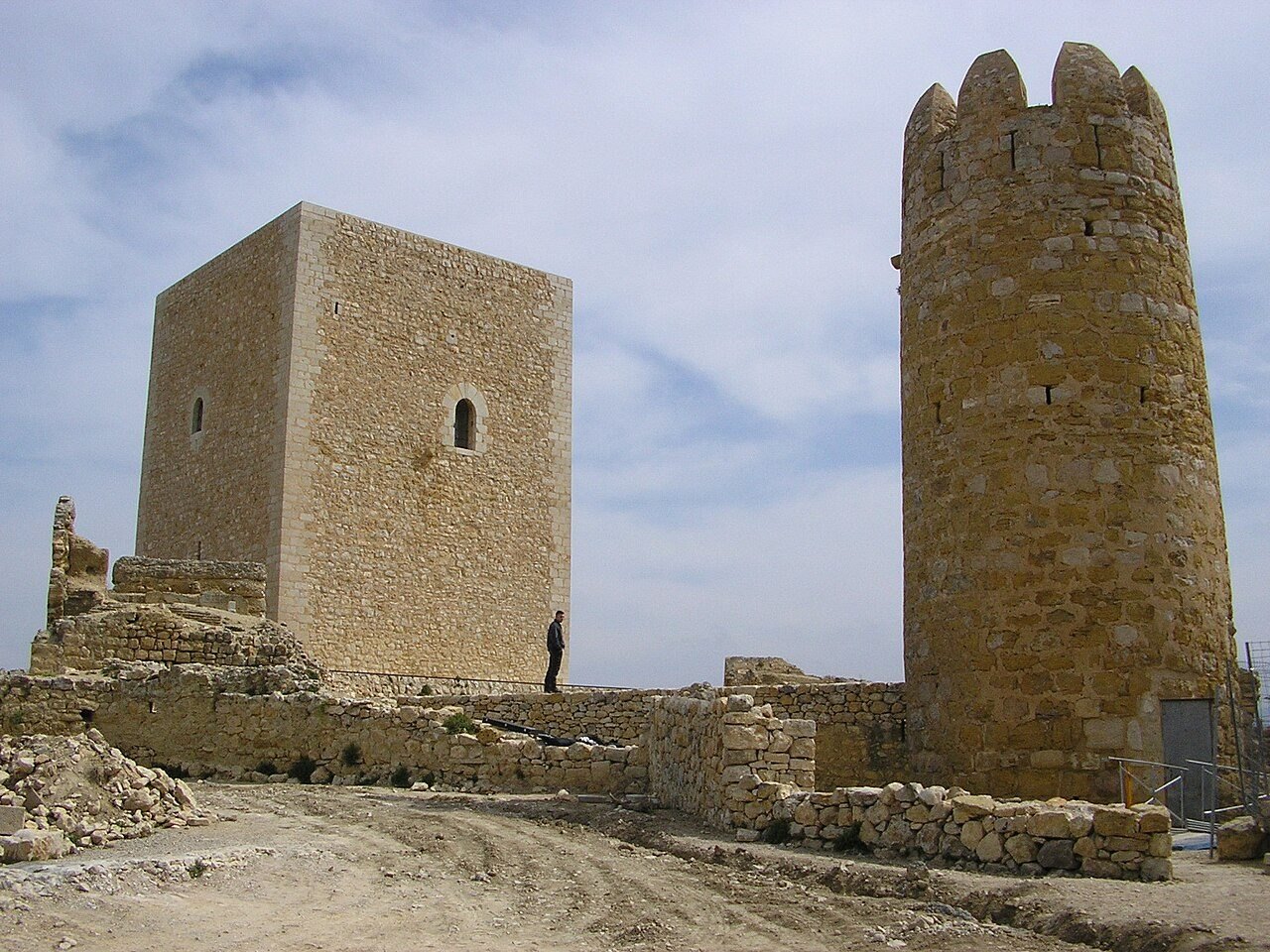
Photo: (vegeu la fitxa a Commons) · CC BY-SA 3.0
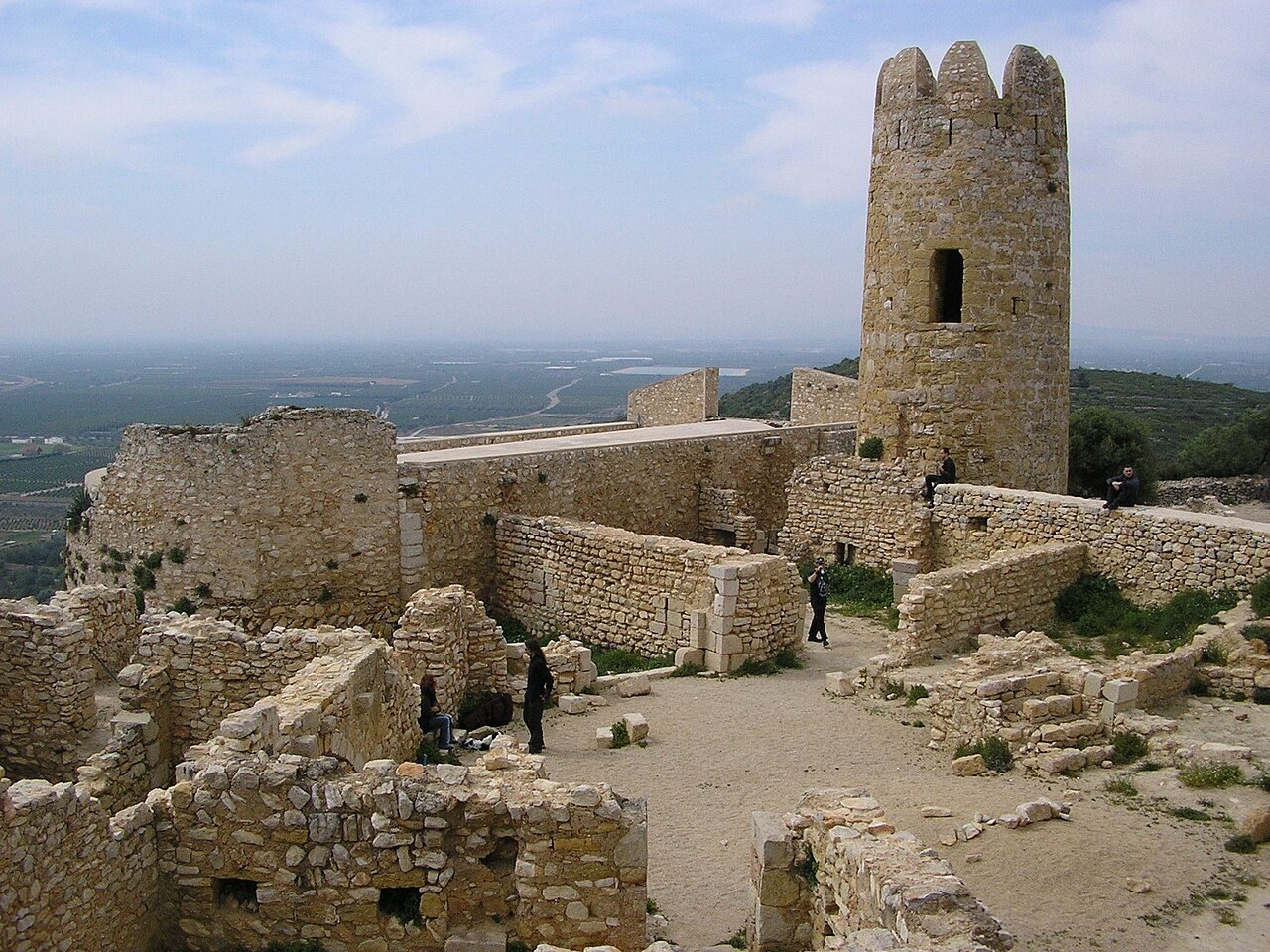
Photo: (vegeu la fitxa a Commons) · CC BY-SA 3.0
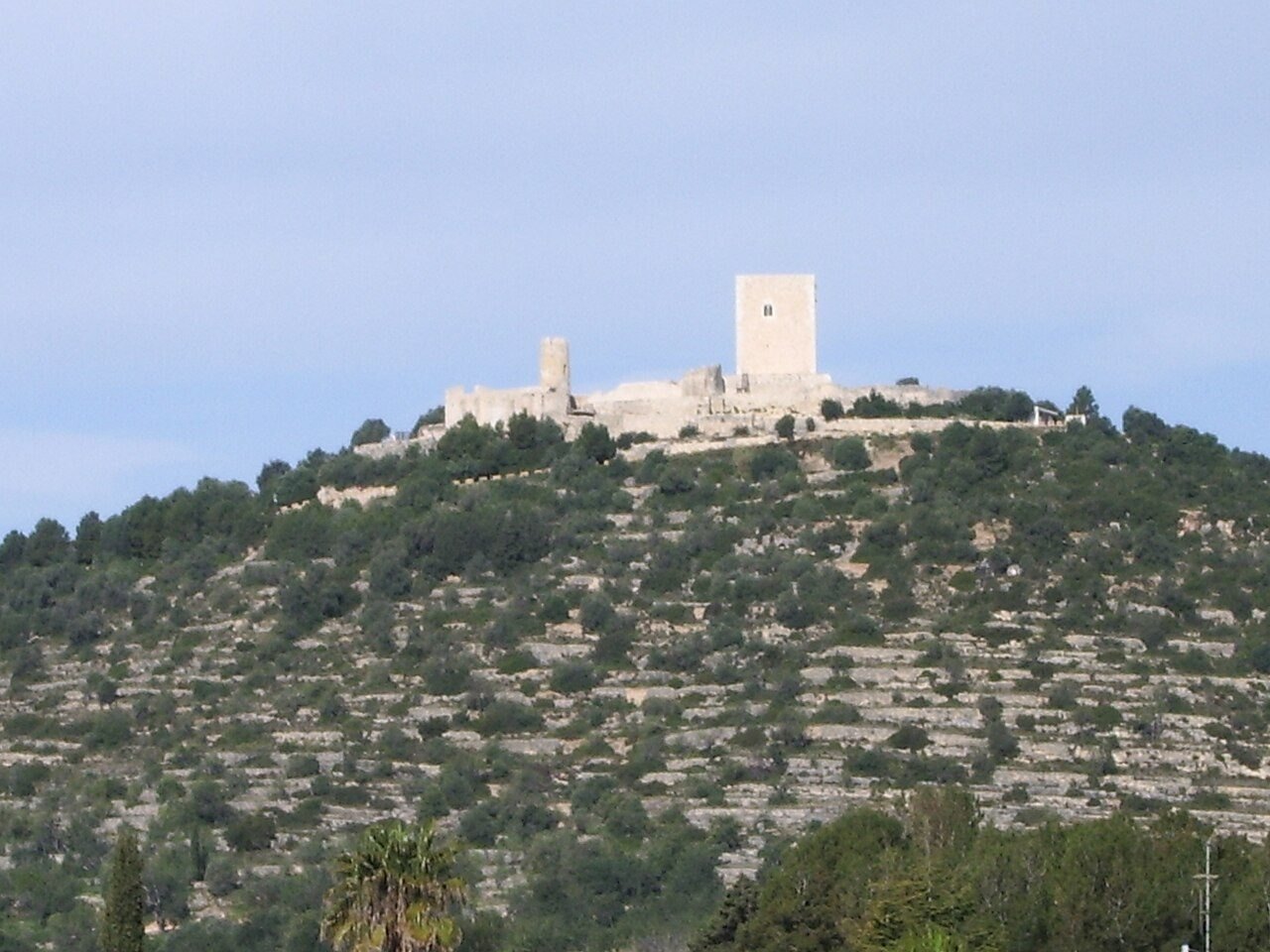
Photo: carlos corzo · CC BY-SA 3.0
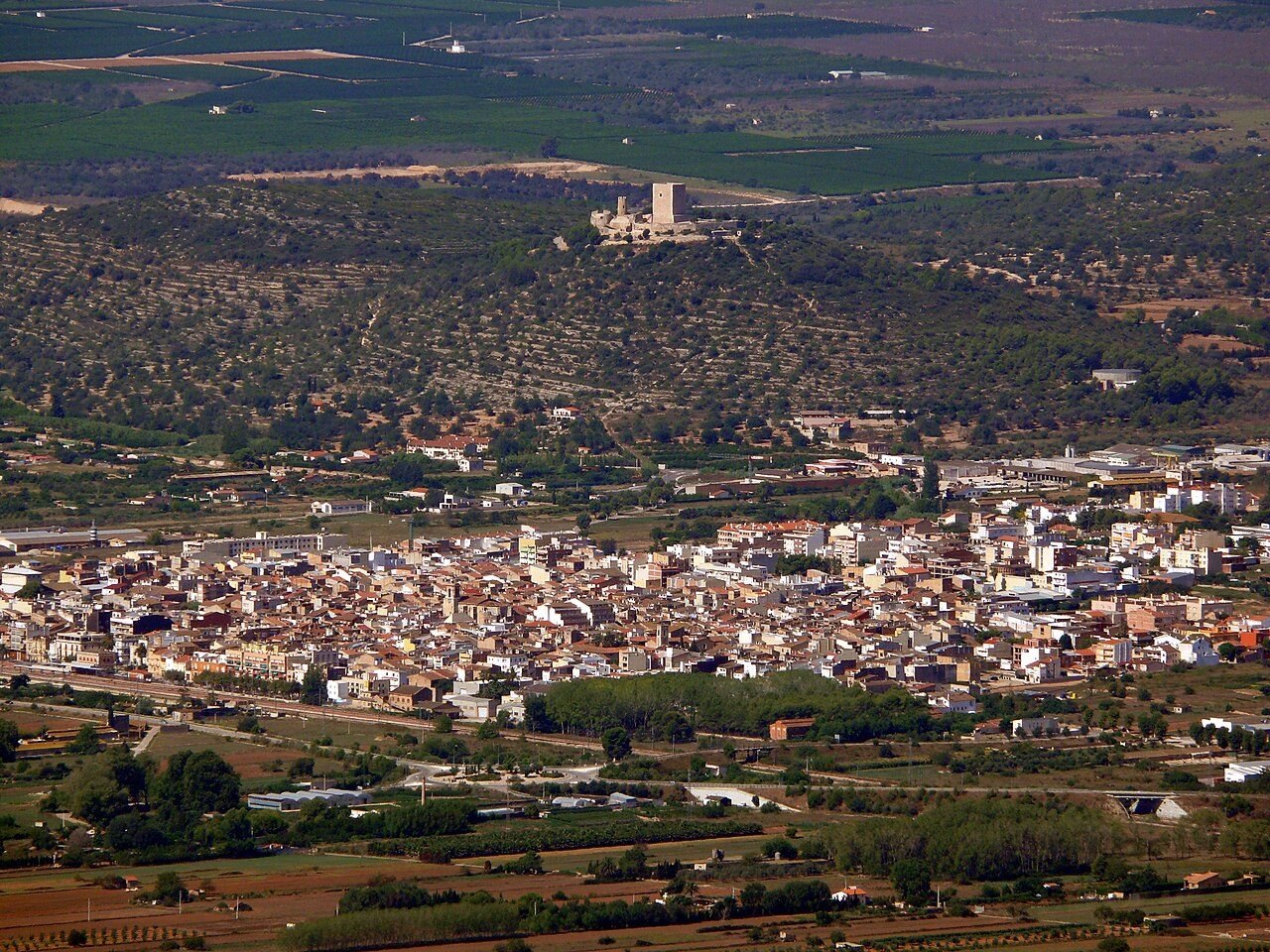
Photo: DagafeSQV · CC BY-SA 3.0
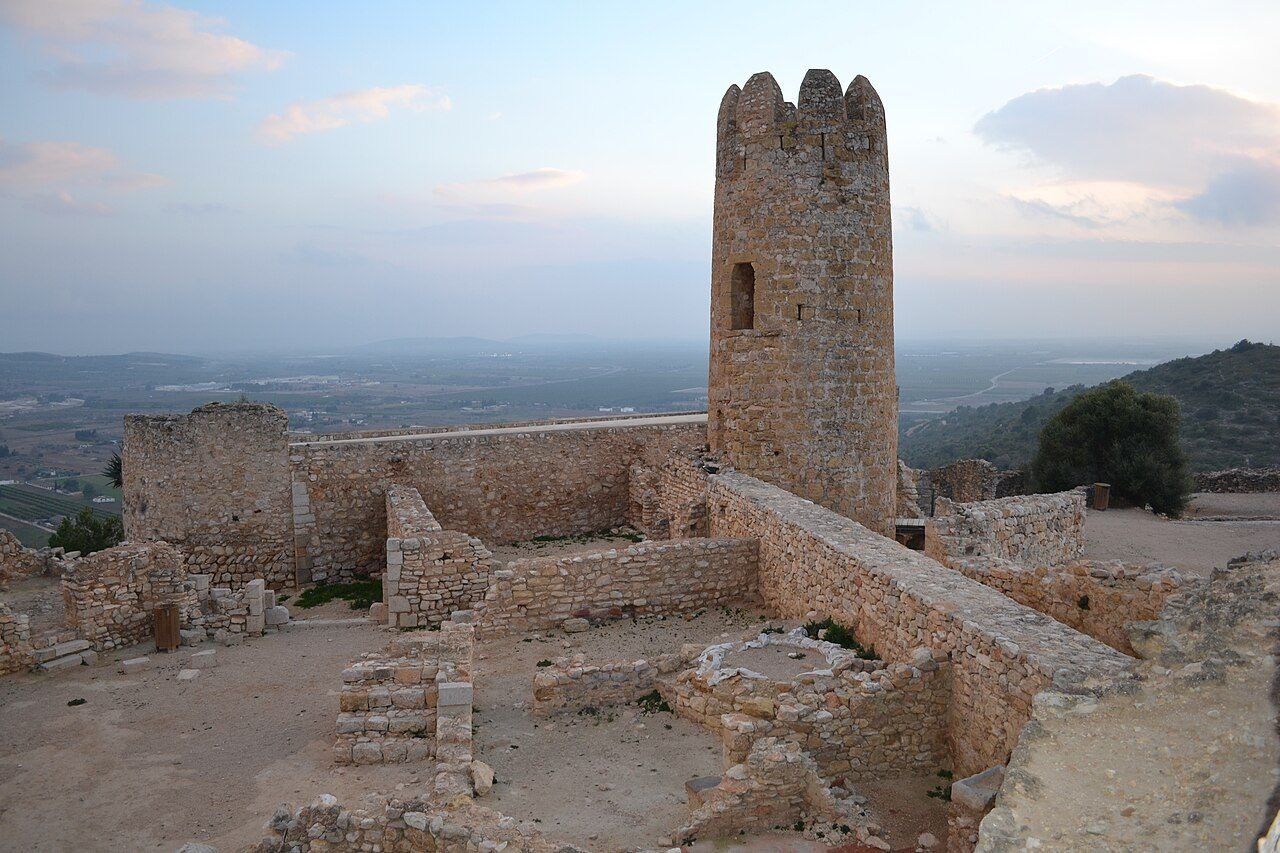
Photo: Ricardcugat · CC BY-SA 3.0 es
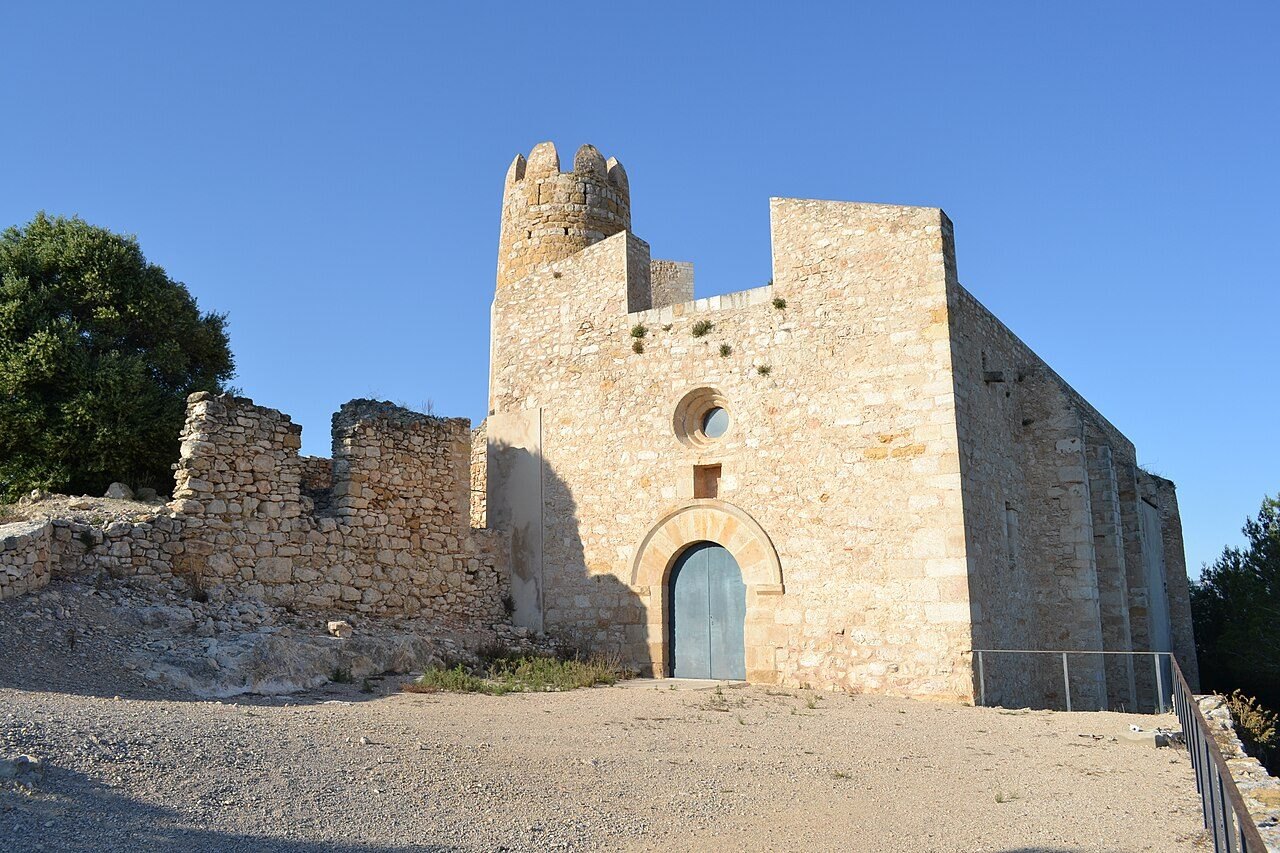
Photo: Ricardcugat · CC BY-SA 3.0 es
- 4th–1st c. BC
Iberian settlement
Excavations document an Iberian settlement, of which house walls survive inside the enclosure.
source: Castells Catalans (Catalunya Romànica): Ulldecona - 10th–11th c.
Andalusi fortress
A perimeter wall was built; historians debate whether the fortification is of Islamic origin.
source: Enciclopèdia Catalana: castell d'Ulldecona - 1148
Conquest of Tortosa
After the conquest of Tortosa the castle comes under the protection of the Montcadas.
source: Enciclopèdia Catalana: castell d'Ulldecona - 1173
Grant to the Hospitallers
Guillem de Montcada cedes the castle to the Order of the Hospital of St John of Jerusalem.
source: Enciclopèdia Catalana: castell d'Ulldecona - 1222
Settlement charter
The settlers receive the town and its territory and may build houses between the two walls: this is Ulldecona la Vella.
source: Viquipèdia: Castell d'Ulldecona - 1227
Hospitaller commandery
The Hospitallers found a commandery of the Castellany of Amposta with the church of Santa Maria, with jurisdiction over Alcanar, la Sénia and Godall.
source: Castells Catalans (Catalunya Romànica): Ulldecona - c. 1270
Castle, commandery and village
The round tower (12th c.) and the keep (13th c.) dominate the enclosure, and the old village fills the space between the walls.
source: Patrimoni Cultural: castell d'Ulldecona - 1274
Move to the plain
The Castellan of Amposta allows the residents to move down to the plain, where Sant Lluc d'Ulldecona is born.
source: Diari de Tarragona (2024) - 14th c.–1555
Abandonment and ruin
The Hospitallers stop using the castle, which by the mid-16th c. is already in ruins.
source: Viquipèdia: Castell d'Ulldecona - 1836
Disentailment
The complex passes into private hands.
source: Viquipèdia: Castell d'Ulldecona - 1985–2022
Municipal purchase and restoration
The Town Council buys the castle (1985), declared a Site of Cultural Interest in 1989, and restores it in several campaigns.
source: Diari de Tarragona (2022)
Using the 3D model we worked out how big this castle was and what it took to build it. Here is a sample:
- How many people worked, how much stone, lime and carts, year by year
- Work by work and how we calculate it
- The data to download (CSV)
Leave your email and you will see everything, for this castle and all the others. As a gift, the castle poster.
Already signed up? Sign in with your email🏰 Enter the castle in 3D⏳ See how it changed⚒ How they built it