 CASTLE
The Templar commandery of Ascó in its heyday: the tower on the mound, the great enclosure stretching to the southeast and, at its feet, the walled Moorish quarter with its narrow streets and its perxes, overlooking the Ebro.
Works in the browser on computers and phones, with nothing to install. Fly with the drone and switch between then and now.
Interpretive recreation: our approach ›
Or fly over it as the centuries go by: from the first settlement to today, with the town growing and the milestones of its history.
Or watch how it was raised: the years of building up to its heyday, with masons, treadwheel cranes, carts and the passing seasons (interpretive recreation).
🏰 Enter the castle in 3D⏳ See how it changed⚒ How they built it⚔ The siege of Ascó (1308)
- Period reconstructed
- c. 1294
- Town
- Ascó
- County
- Ribera d'Ebre
- Province
- Tarragona
- Region
- Catalonia
- Coordinates
- 41.17974, 0.56588 · Open the map
Leave us your email and we'll send you the poster of this castle at its height, high resolution, ready to print, plus two wallpapers (computer and phone). We'll also tell you about news on this castle. No passwords; unsubscribe any time.
Are you at the castle? Get its stamp for your castle passport. We only check that you are within 300 m; we don't store your location.
The tower
Descriptions of the castle speak of a tower raised on a small rise at the very top of the hill and of a large enclosure stretching to the southeast. Of that tower —the “garita” still visible from the town today— only two walls were left standing. Here it is imagined complete: well-squared ashlars, a raised door reached by a stair and a crenellated terrace overlooking the Ebro.
The great enclosure
Southeast of the tower lay the great walled enclosure, which follows the real crest of the hill. The commandery buildings stood against the walls: the commander's hall, granaries, stables, kitchen and dormitories. Some walls were more than two meters thick, and herringbone masonry (opus spicatum) has been identified in certain stretches. The interior layout is hypothetical.
Walls and wall-walk
The castle has its roots in an Andalusi fortress that controlled the crossing of the Ebro. After the conquest of Tortosa (1148) and Lleida (1149), the troops of the Count of Barcelona took the last Muslim strongholds in the area around 1153. During the Christian conquest, stretches of the wall and the tower were rebuilt.
The gateway
The main entrance opens at the eastern end of the ridge, where the hill slopes gently down toward the town: the natural approach. A gate tower with a machicolation and a portcullis defended it. (The exact position of the original gate is unknown: this is an interpretation.)
The chapel
Like every Templar house, the commandery must have had a chapel. Here it is shown as Romanesque, with an apse to the east, Lombard arcading and a bell gable. The brethren —knights, sergeants and chaplains— lived under a monastic rule.
The cistern
On top of a hill in the dry Ribera d'Ebre, water was a matter of life and death. Courtyards and roofs channeled rainwater into a vaulted cistern that made it possible to withstand a siege for months.
The commander's hall
Around 1182 King Alfonso the Chaste granted Ascó to the Templars. From here the commander administered justice and collected rents, tithes and tolls. In 1307–1308, when James II ordered the Order's castles to be seized, Ascó was —along with Miravet— among those that held out longest; one of the key figures was Brother Berenguer de Santmarçal. When the Templars were dissolved (1312), Ascó passed to the Hospitallers.
The Moorish quarter
The old core of Ascó was a walled Moorish quarter: tightly packed houses and narrow, dark, winding streets that follow the contour lines of the hill (here, the real contours of the terrain). The houses grow taller as they climb. They were built of stone and mud or of rammed earth. The Mudejar —and later Morisco— population was the majority until the expulsion of 1610.
The perxes
Perxes are covered passageways created when a house is built over the street, resting on stone arches or wooden beams. Several survive in the old town: Ca Pere Sans, Cal Cavaller, the Placeta… (turn on “Today” to see their real location).
The square and the church
The church has been placed where the parish church of Sant Joan Baptista stands today (Wikidata coordinates). The present building is later; here a small hypothetical Romanesque church is shown for the town's Christian minority.
Terraces and olive trees
The slopes of the Ribera d'Ebre were tamed with terraces held up by dry-stone walls (marges). Olive and almond trees, vines and cereals grew on them; by the river, the vegetable gardens were watered by irrigation channels, a know-how the Mudejars kept alive for centuries.
The Ebro and the ferry crossing
The Ebro was the great highway of the Middle Ages: llaüts loaded with grain, timber, wool and salt sailed down it toward Tortosa and the sea. Ascó controlled a ferry crossing and charged for passage. Downstream rises Miravet, another great Templar fortress.
Videos and stories about this place on our account.
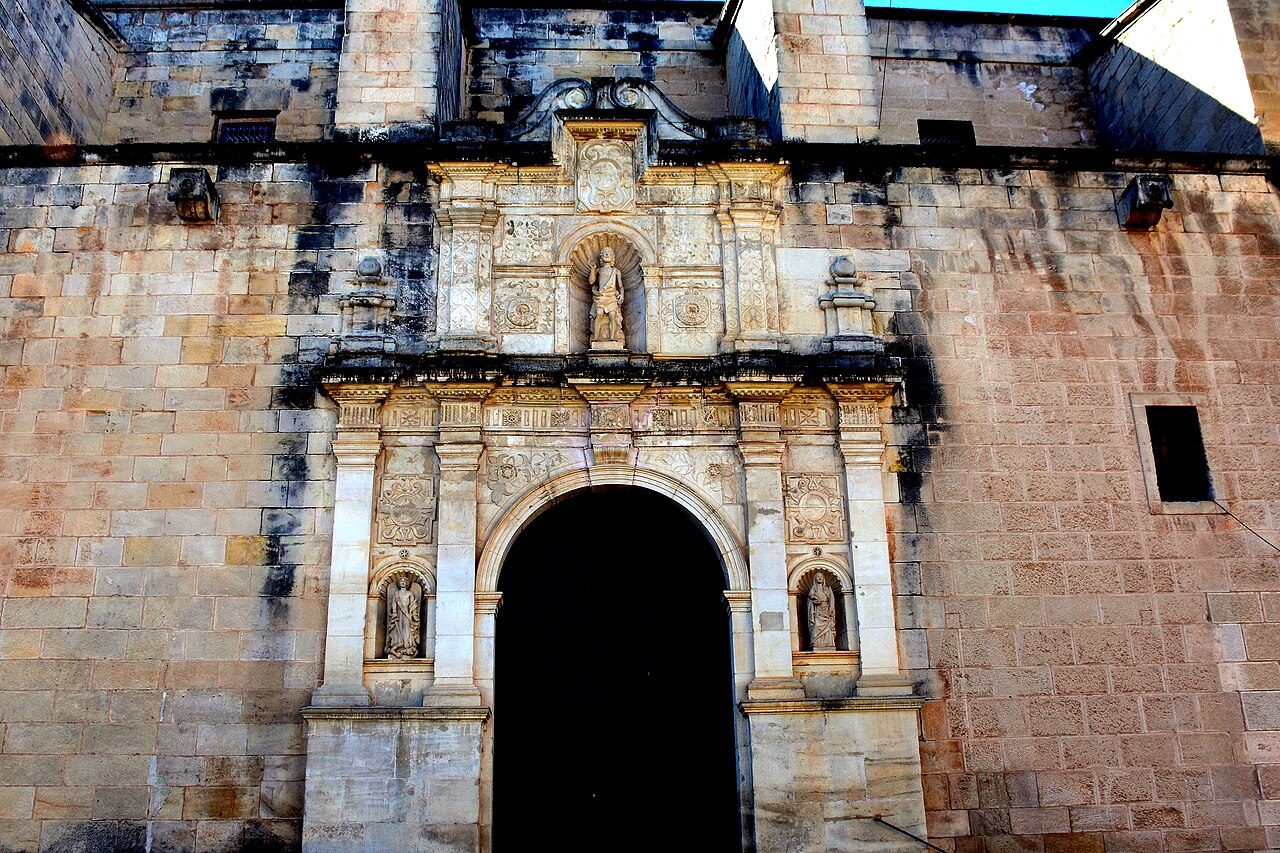
Photo: Angela Llop · CC BY-SA 2.0
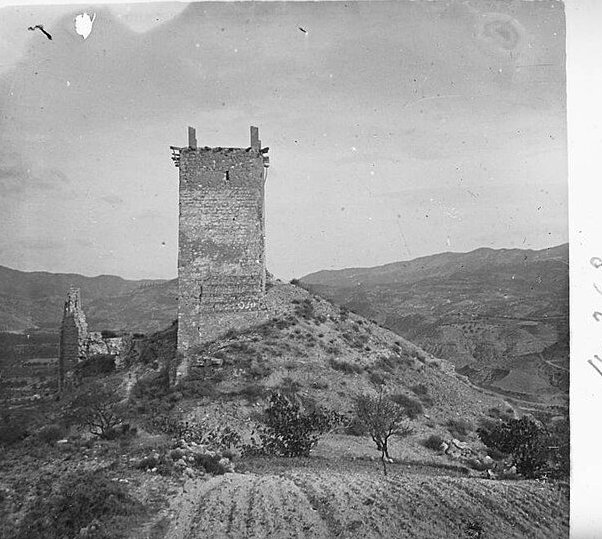
Photo: Josep Salvany i Blanch · Domini públic
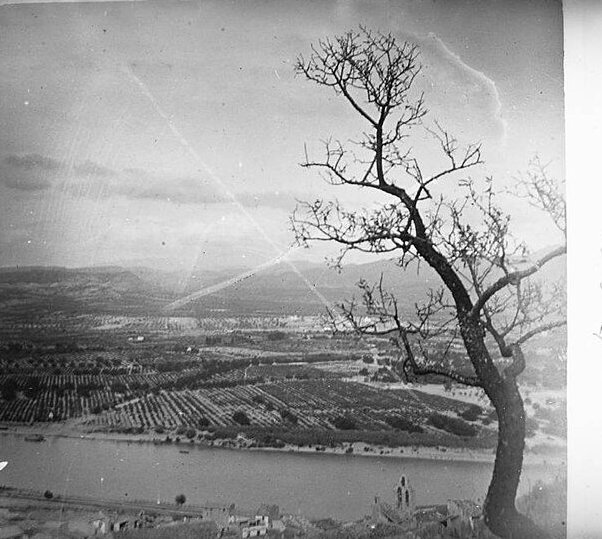
Photo: Josep Salvany i Blanch · Domini públic
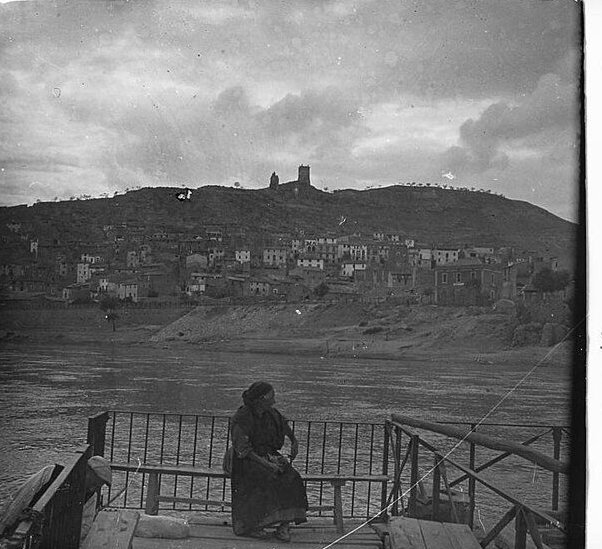
Photo: Josep Salvany i Blanch · Domini públic
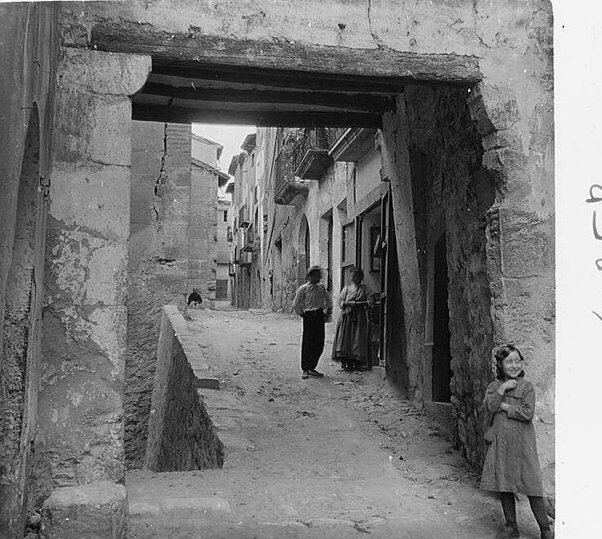
Photo: Josep Salvany i Blanch · Domini públic
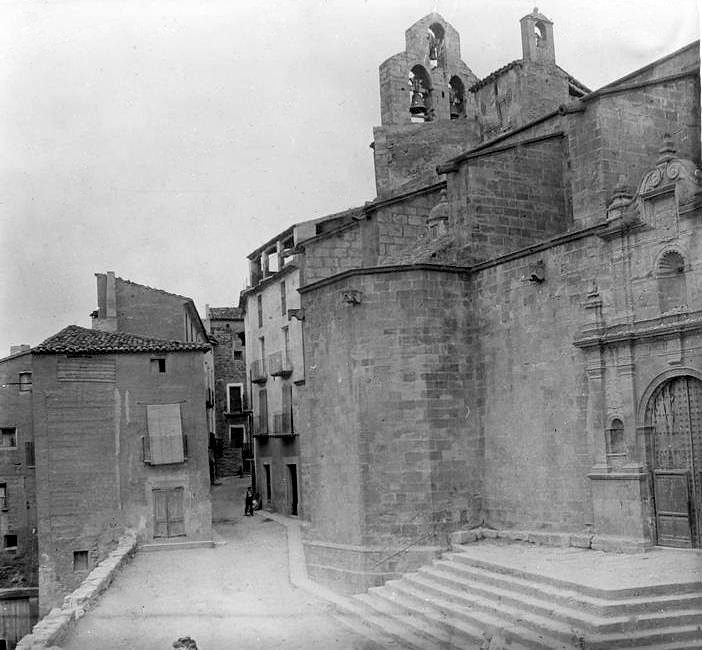
Photo: Josep Salvany i Blanch · Domini públic
Photo: Josep Salvany i Blanch · Domini públic
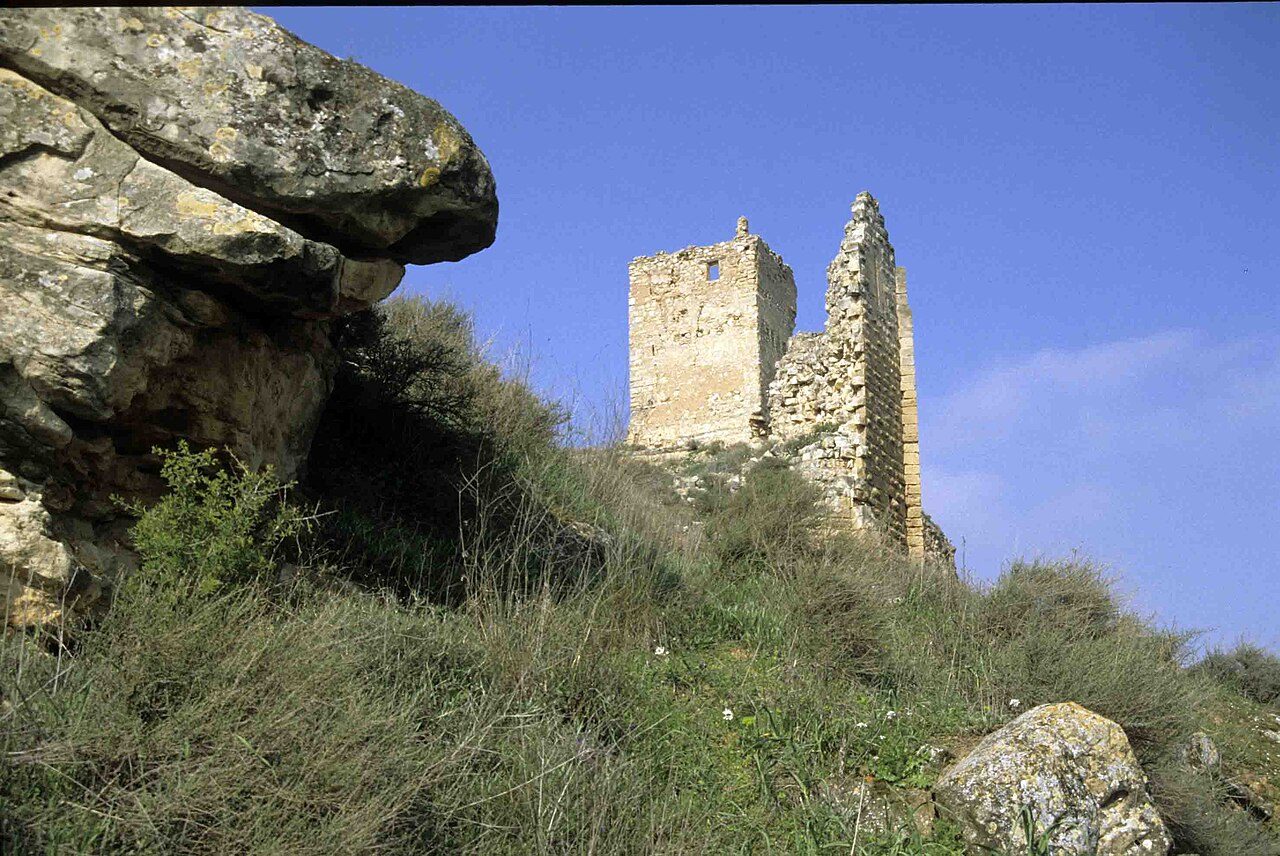
Photo: Jbarberà (fot. J. Fuguet) · CC BY-SA 4.0
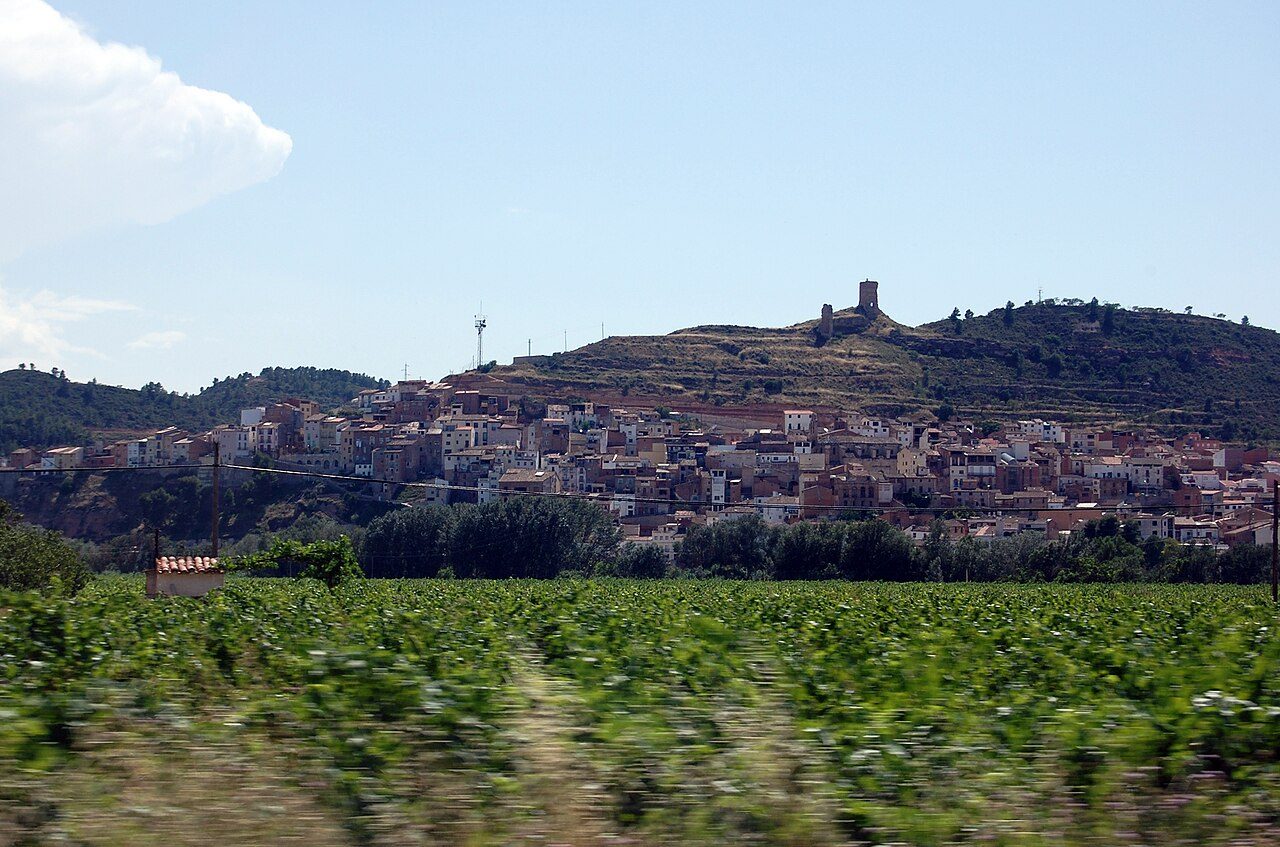
Photo: autor a Commons · CC BY-SA 3.0
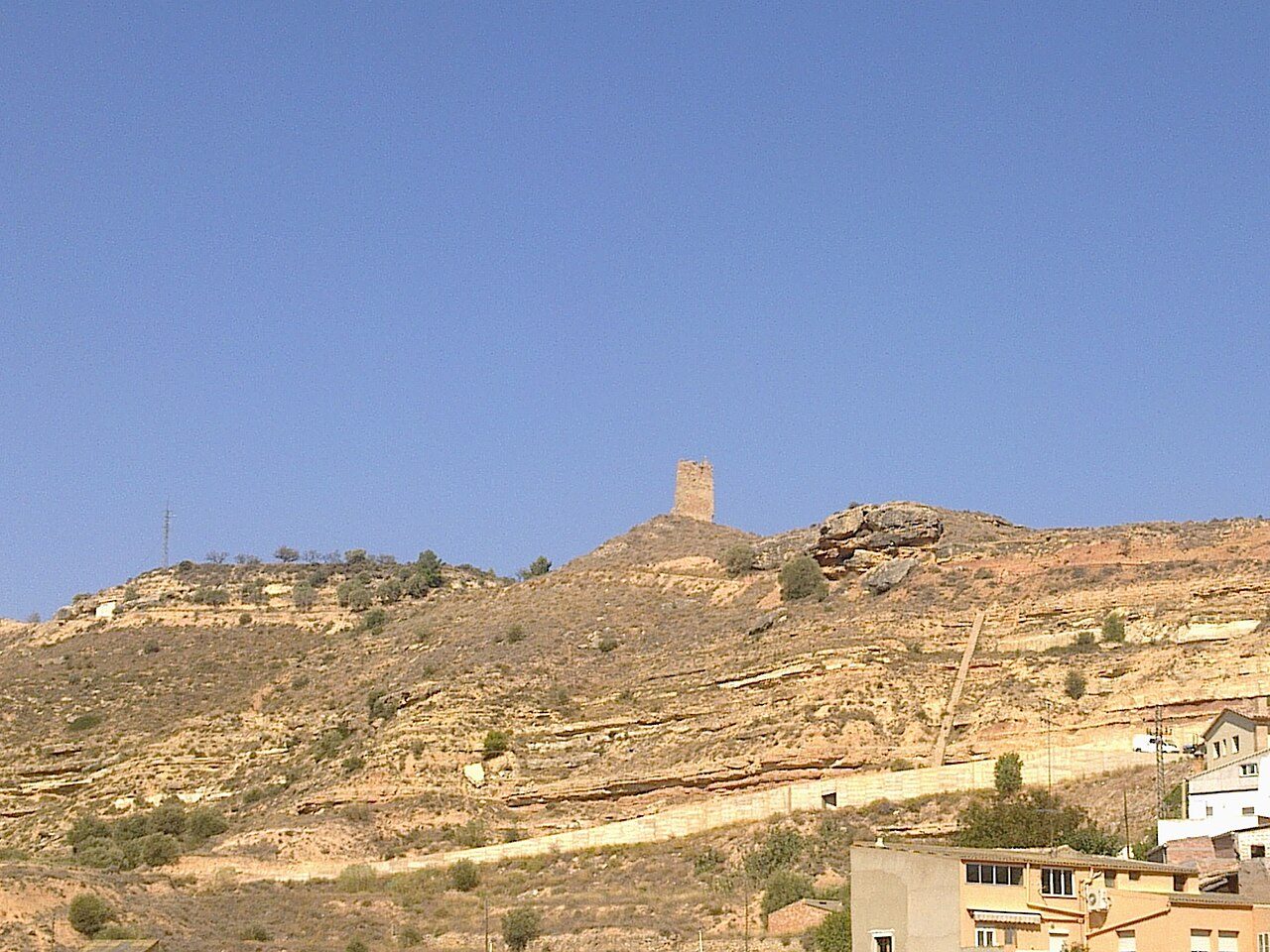
Photo: Deosringas · CC BY-SA 3.0
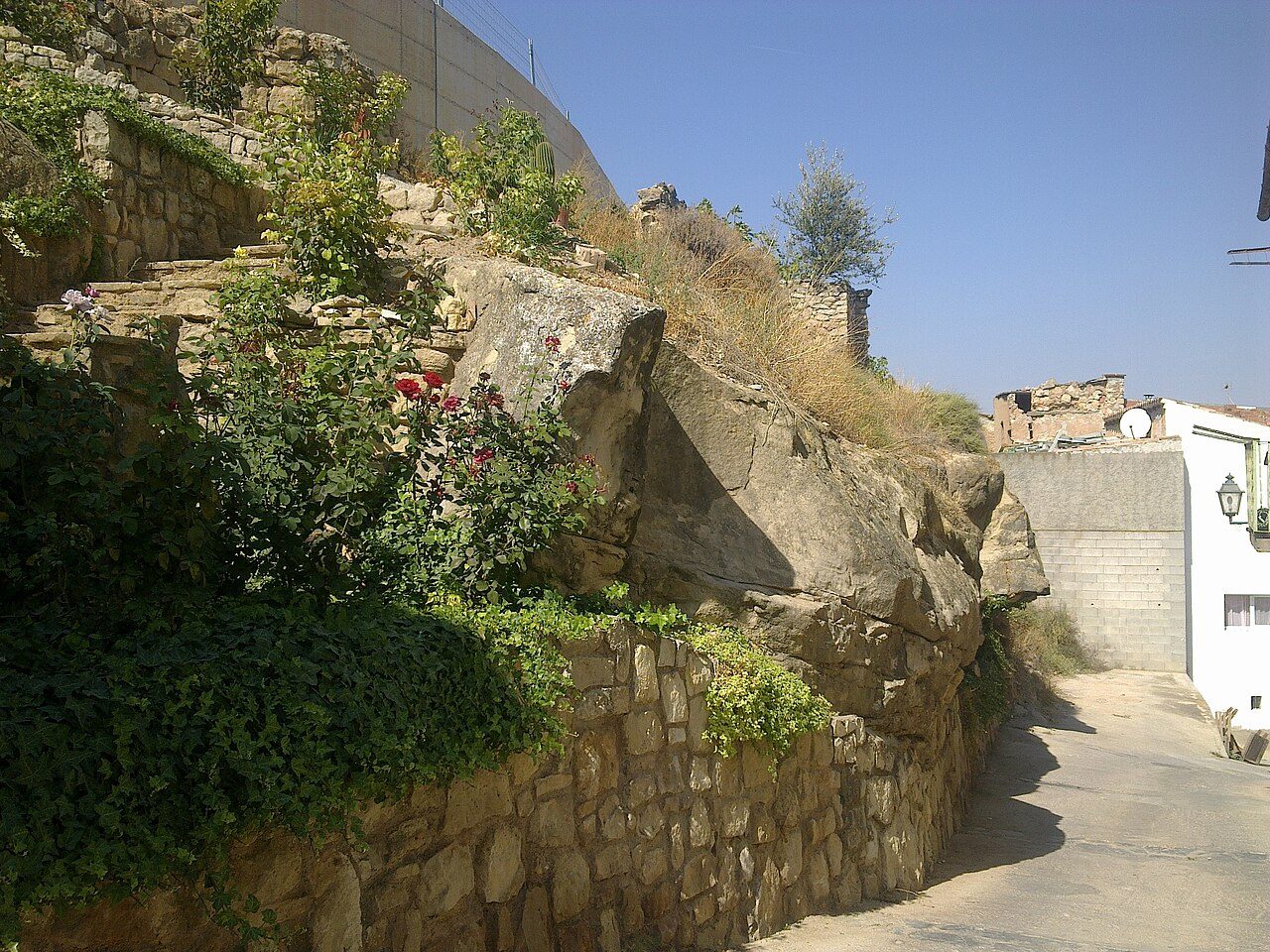
Photo: Deosringas · CC BY-SA 3.0
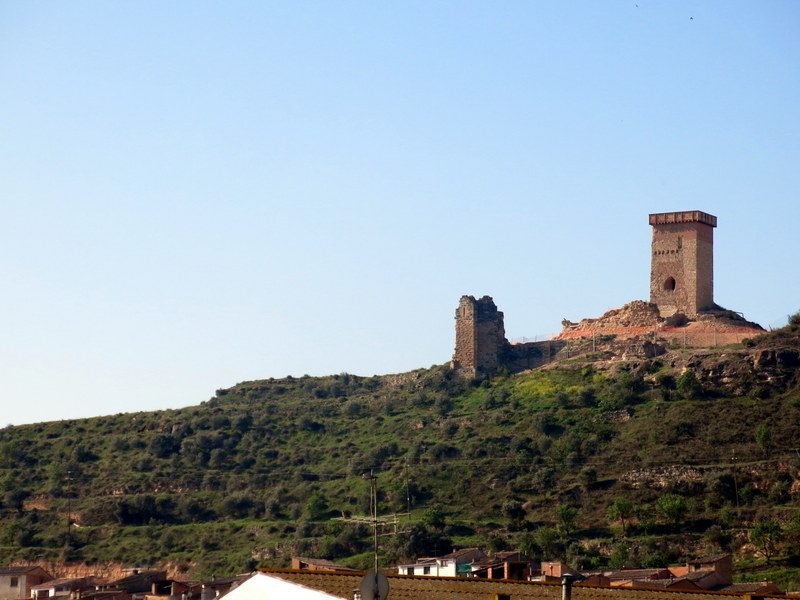
Photo: Antoni Grifol · CC BY-SA 4.0
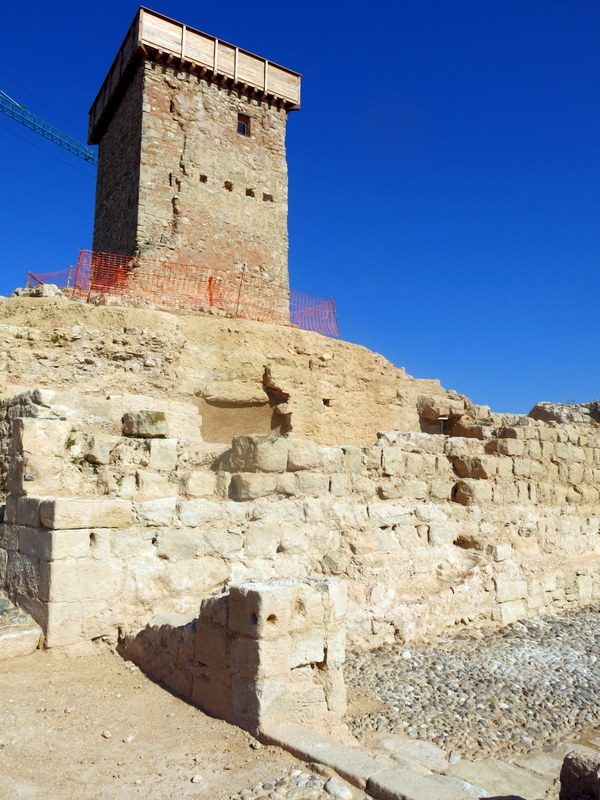
Photo: Antoni Grifol · CC BY-SA 4.0
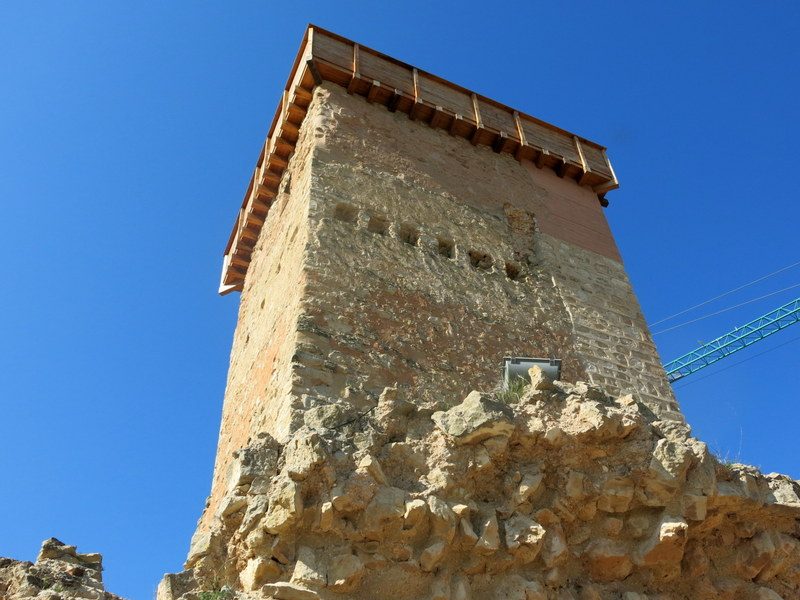
Photo: Antoni Grifol · CC BY-SA 4.0
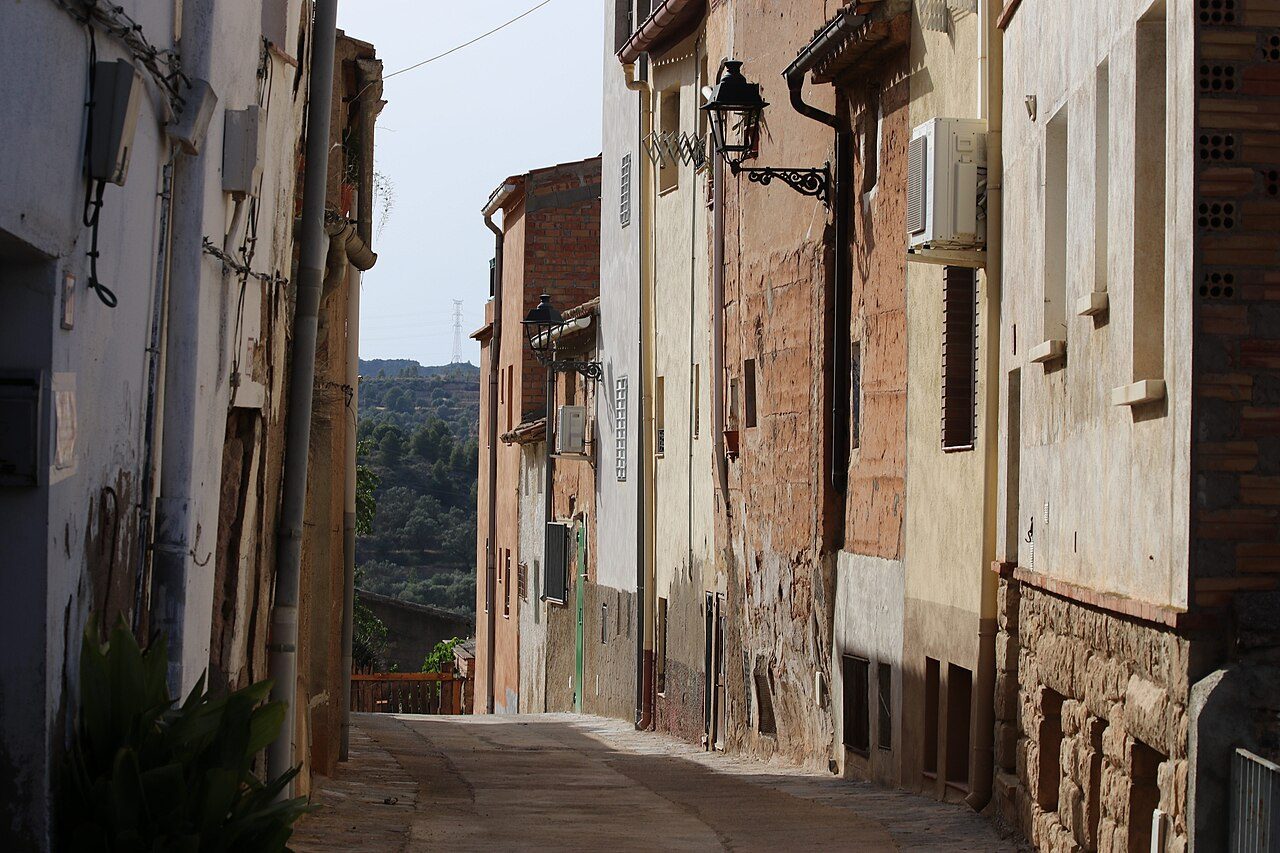
Photo: Medol · CC BY-SA 4.0
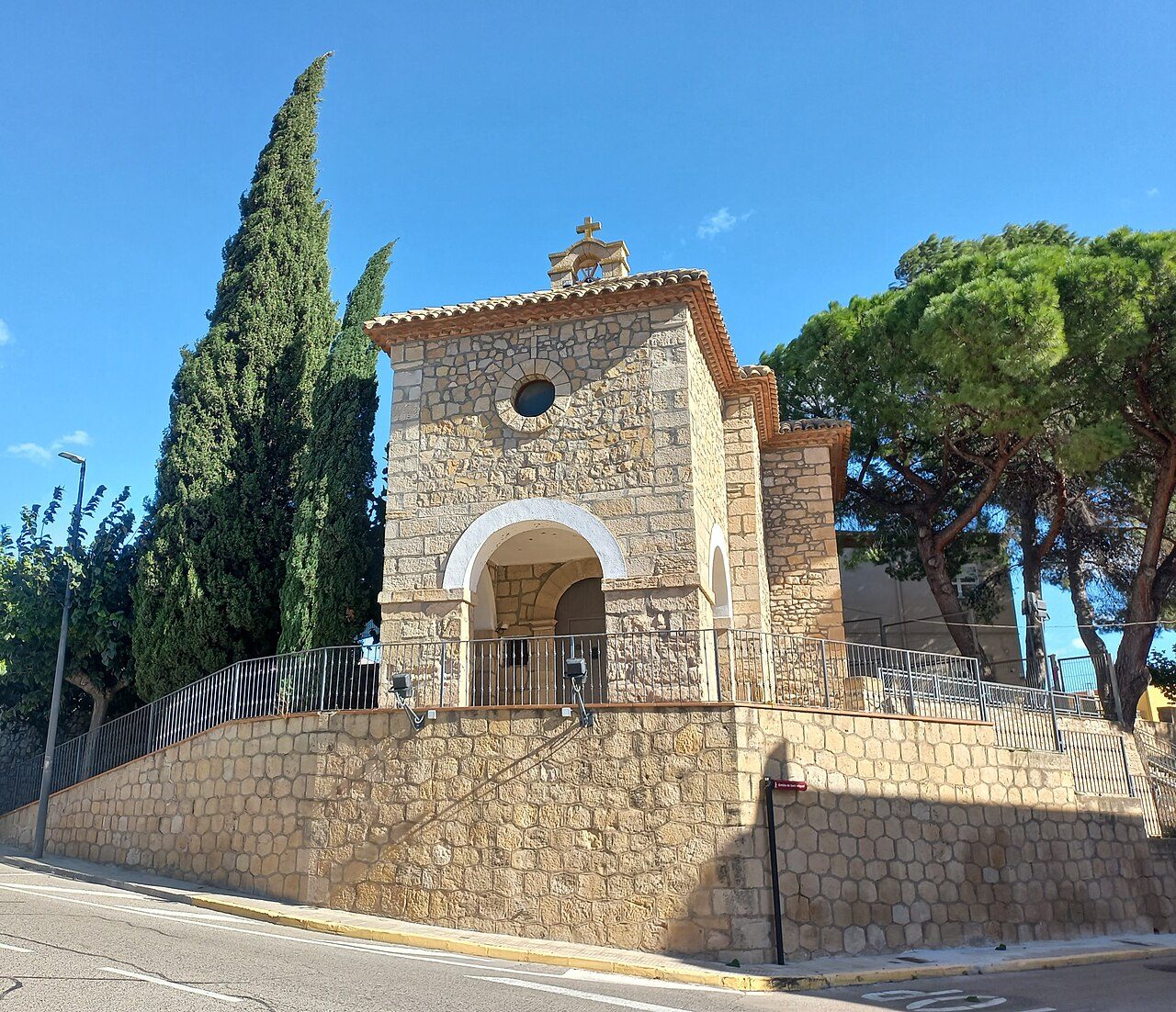
Photo: Masquer11 · CC BY-SA 4.0
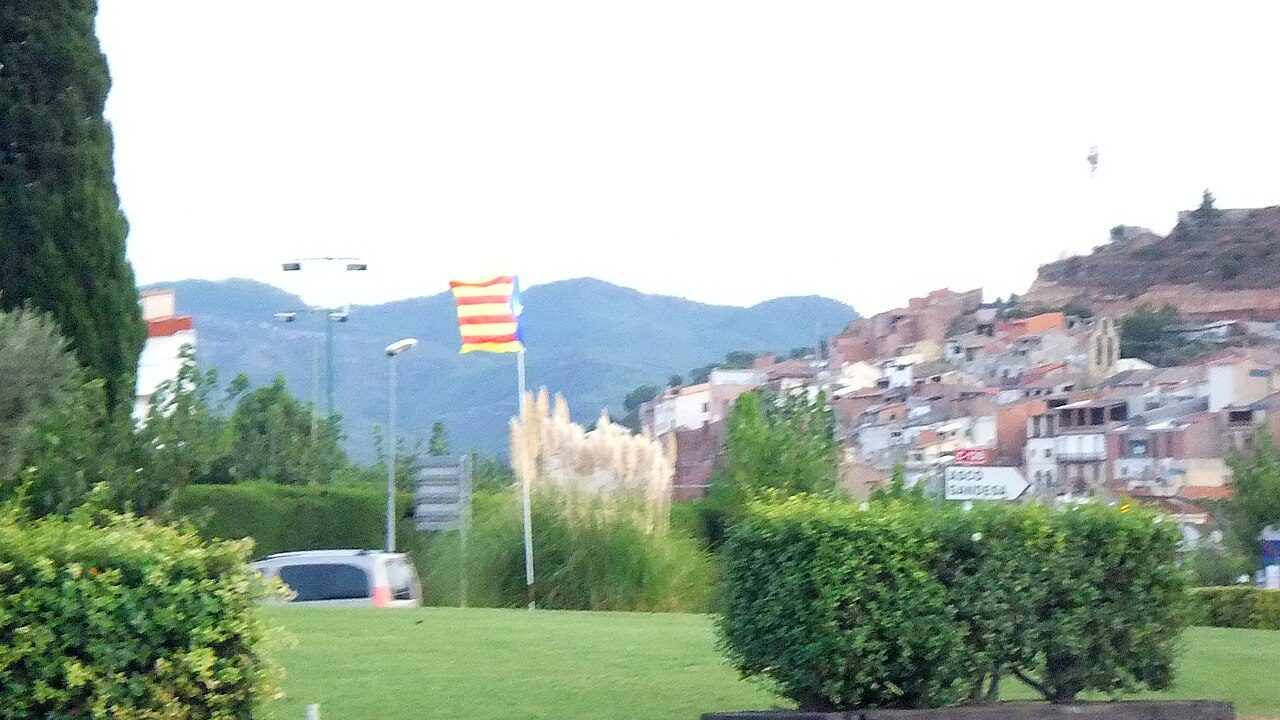
Photo: Otger Cataló · CC BY 3.0
- 10th–12th c.
Andalusi ḥiṣn
An Andalusi fortress on the hill controls the crossing of the Ebro.
source: Castells Catalans - c. 1153
Conquest
After Tortosa (1148) and Lleida (1149), the troops of the Count of Barcelona take the last Andalusi strongholds in the area. The Muslim population stays.
source: Castells Catalans - c. 1182
Ascó passes to the Templars
King Alfonso the Chaste grants Ascó to the Order of the Temple, which sets up a commandery dependent on Miravet.
source: Enciclopèdia Catalana - 1294
The commandery at its height
The period shown in the reconstruction: the tower on the mound, the great enclosure to the southeast and the Moorish quarter on the hillside.
- 1307–1308
Siege and resistance
James II orders the Templar castles to be seized. Ascó is, along with Miravet, among those that hold out longest; one of the key figures is Brother Berenguer de Santmarçal.
source: Castells Catalans - 1312–1317
The Hospitallers
With the Templars dissolved, their property passes to the Order of the Hospital of St John, which will rule Ascó for centuries.
source: Enciclopèdia Catalana - 1610
Expulsion of the Moriscos
Most of the population of Ascó, of Muslim origin, is expelled; the town is left depopulated.
source: Patrimoni Cultural (Miravet, context comarcal) - 17th–19th c.
Wars and ruin
Wars (the Reapers' War, the War of the Spanish Succession, the Carlist Wars) and neglect leave the castle in ruins.
source: Castells Catalans - 1915
Salvany's photos
Josep Salvany photographs the isolated tower and the ruins (photos in the viewer, in the public domain).
source: Wikimedia Commons - 2013–2014
Public ownership and excavation
The castle passes into public ownership and an archaeological excavation begins before its consolidation.
source: Castells Catalans - 2017–
Restoring the tower
Works to restore the tower, the “garita”.
source: Surt de Casa
Using the 3D model we worked out how big this castle was and what it took to build it. Here is a sample:
- How many people worked, how much stone, lime and carts, year by year
- Work by work and how we calculate it
- The data to download (CSV)
Leave your email and you will see everything, for this castle and all the others. As a gift, the castle poster.
Already signed up? Sign in with your email🏰 Enter the castle in 3D⏳ See how it changed⚒ How they built it⚔ The siege of Ascó (1308)