 CASTLE
Miravet, head of the Templar province of Catalonia and Aragon, in its heyday: the upper enclosure, both convent and fortress; the lower enclosure with its terraces; and the Cap de la Vila, the Andalusi town, running down to the Ebro.
Works in the browser on computers and phones, with nothing to install. Fly with the drone and switch between then and now.
Interpretive recreation: our approach ›
Or fly over it as the centuries go by: from the first settlement to today, with the town growing and the milestones of its history.
Or watch how it was raised: the years of building up to its heyday, with masons, treadwheel cranes, carts and the passing seasons (interpretive recreation).
🏰 Enter the castle in 3D⏳ See how it changed⚒ How they built it⚔ The siege of Miravet (1308)
- Period reconstructed
- c. 1250
- Town
- Miravet
- County
- Ribera d'Ebre
- Province
- Tarragona
- Region
- Catalonia
- Coordinates
- 41.03560, 0.59361 · Open the map
Leave us your email and we'll send you the poster of this castle at its height, high resolution, ready to print, plus two wallpapers (computer and phone). We'll also tell you about news on this castle. No passwords; unsubscribe any time.
Are you at the castle? Get its stamp for your castle passport. We only check that you are within 300 m; we don't store your location.
The upper enclosure
A compact block that the Templars built between the second half of the 12th c. and the 13th c. on top of the Andalusi ḥiṣn: high walls and the community's quarters around a courtyard. It was both a monastery and a fortress.
The church
On the first floor of the north wing: a single rectangular nave with a semicircular apse to the east and few windows. It was dedicated to Saint Martin. Beneath it lies the wine cellar.
The refectory
The refectory wing, where the brethren ate in silence while the rule was read to them, was part of the Templar works in the upper enclosure.
The lower enclosure
The lower enclosure was divided into terraces to cope with the slope. It held the stables, a cistern and the chapel of Sant Miquel. The layout you see is an interpretation.
The cistern
On top of the hill, water was vital: in the siege of 1308 the lack of water and food forced the last Templars to surrender.
The chapel of Sant Miquel
A small chapel in the outer enclosure. Here it is shown as Romanesque and in a hypothetical position.
The gateway
The approach came from the northwest, where the parking lot is today. The exact form of the medieval gate is an interpretation.
Walls and towers
The complex already had two enclosures in the Andalusi period; the Templars strengthened it. In the 17th c. it was adapted for artillery.
The Cap de la Vila
The old core runs down from the castle to the Ebro. Until the 16th c. most of the population was Muslim, with its own organization and authorities (the aljama).
The Aljama Gate
One of the gates of the old core, located using the Wikidata coordinates. The name recalls the Muslim community of Miravet.
The Old Church
The town's old church, in the Cap de la Vila, placed using the Wikidata coordinates. Here it is shown as a simple Romanesque church.
The Ebro and the ferry crossing
The river was the route for travel and trade. Miravet still keeps one of the last ferry crossings on the Ebro. In 1610 the expelled Moriscos went down the river by boat.
Videos and stories about this place on our account.
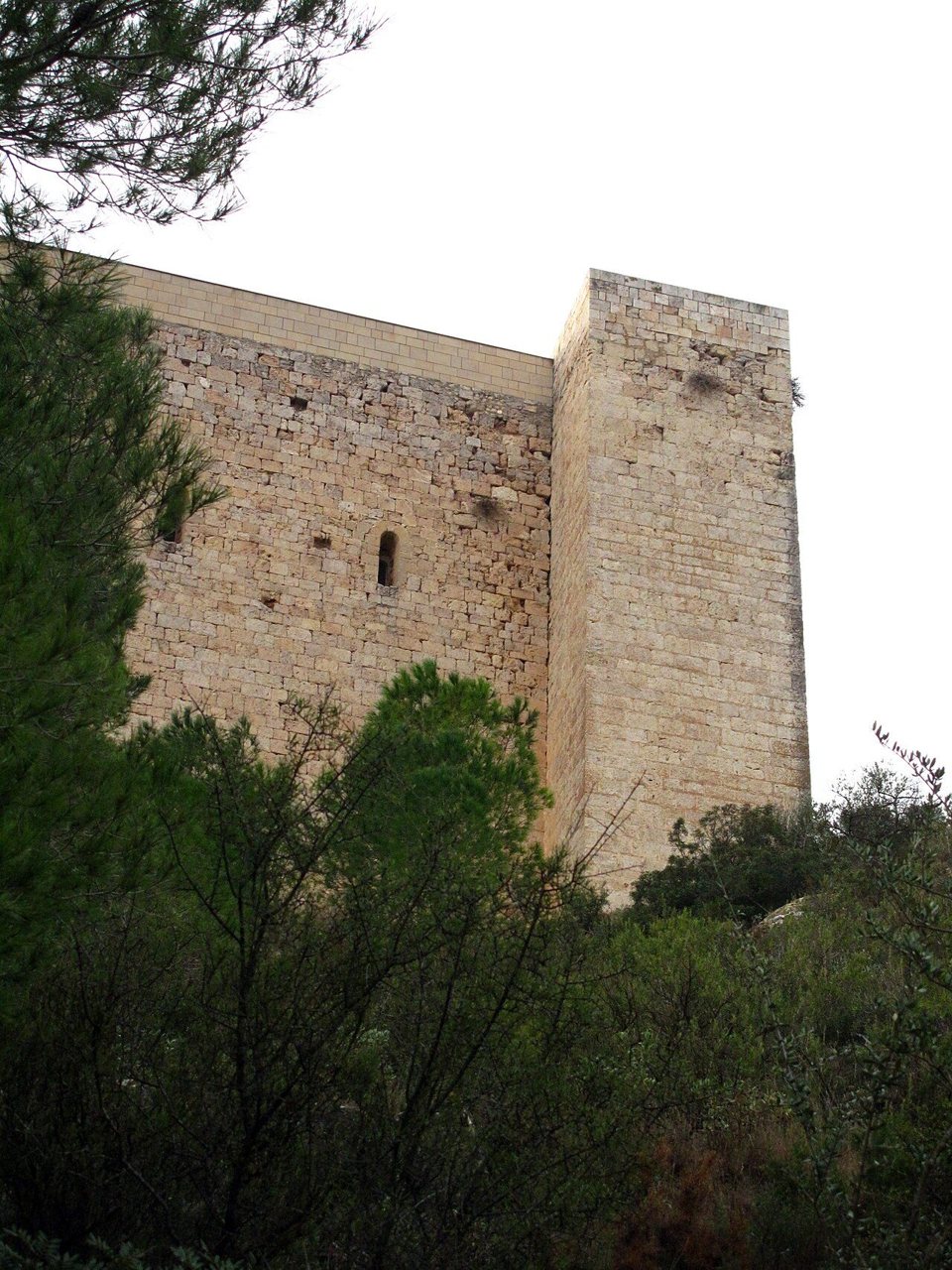
Photo: Enfo · CC BY-SA 3.0
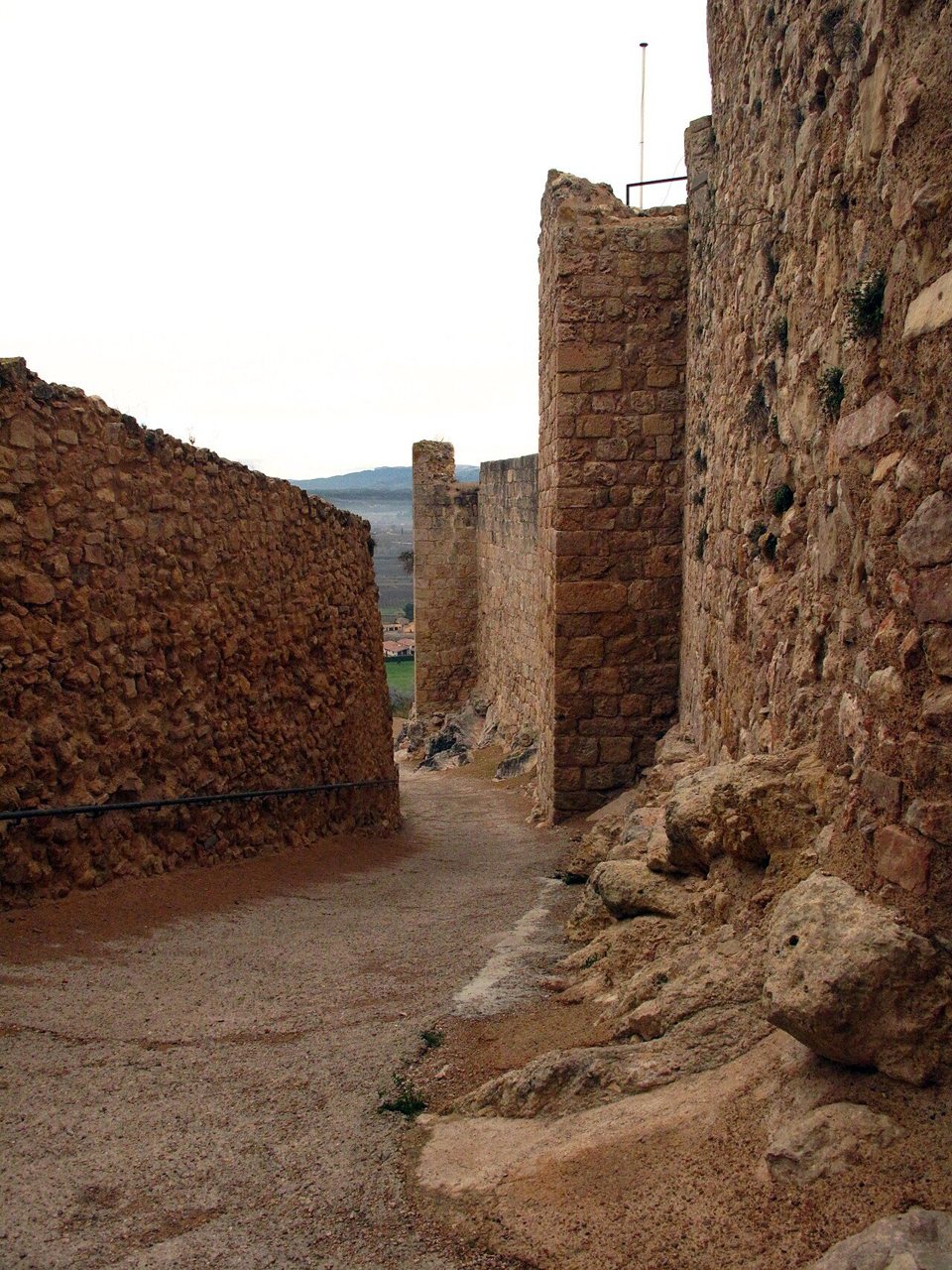
Photo: Enfo · CC BY-SA 3.0
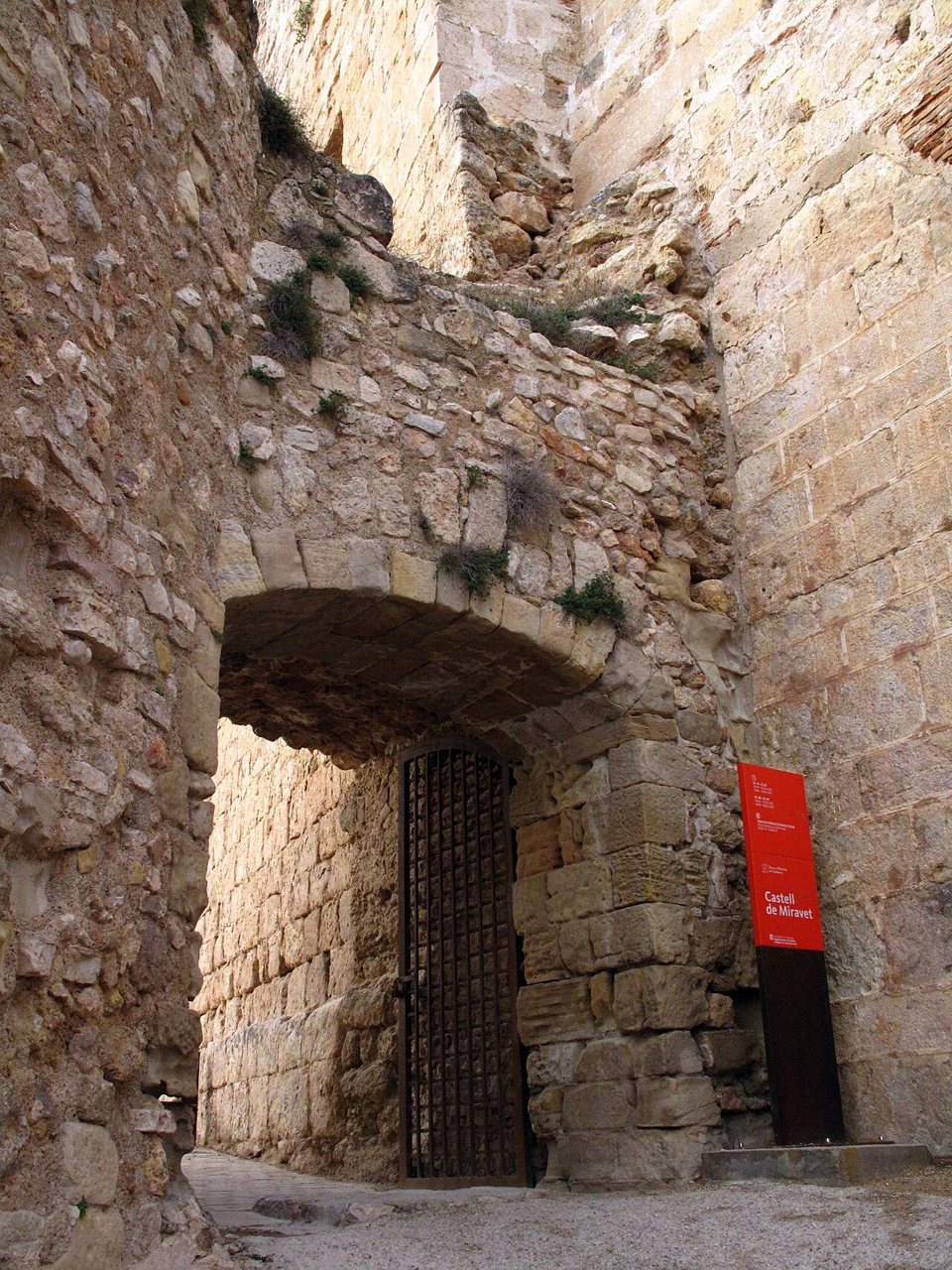
Photo: Enfo · CC BY-SA 3.0
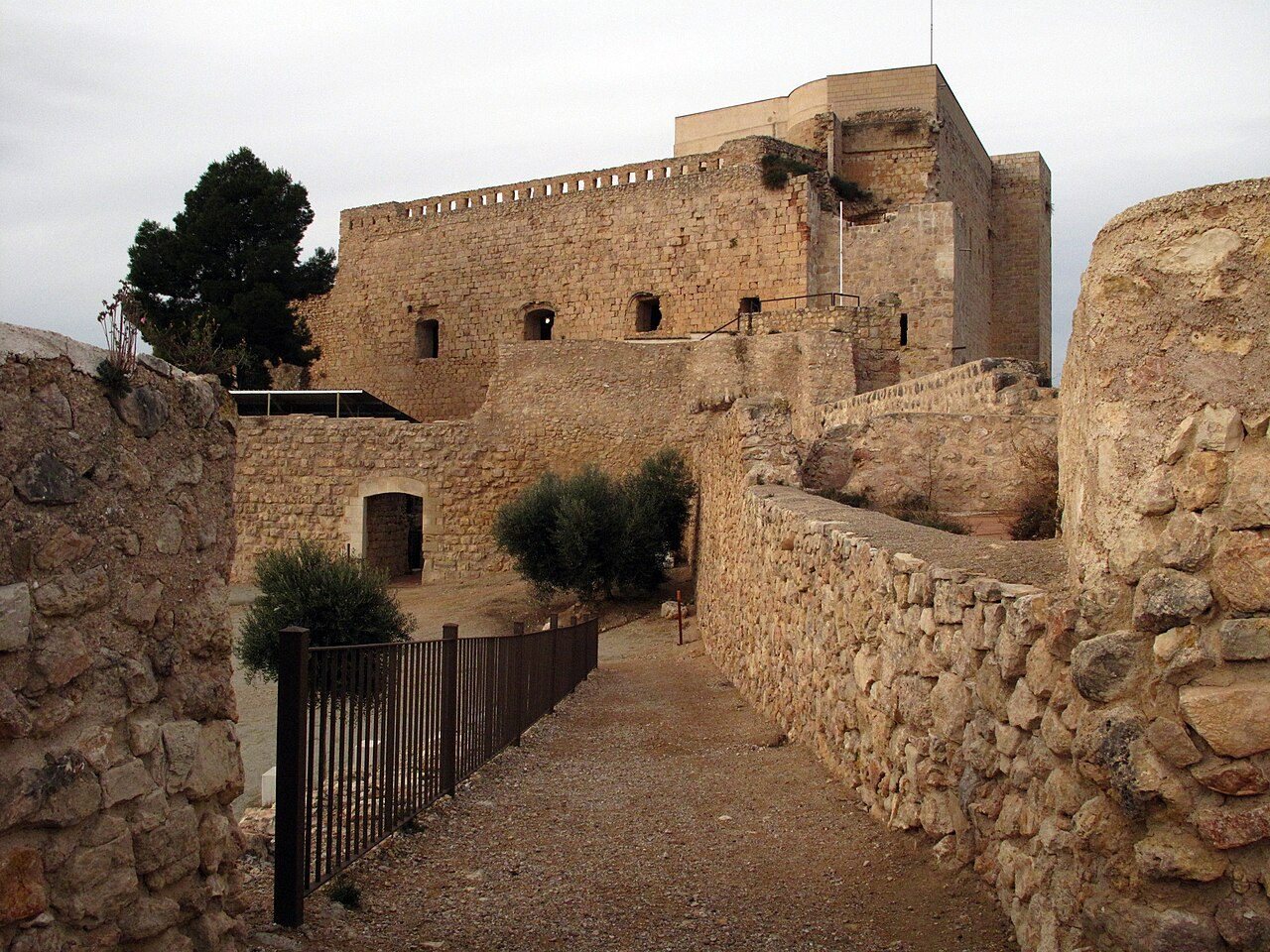
Photo: Enfo · CC BY-SA 3.0
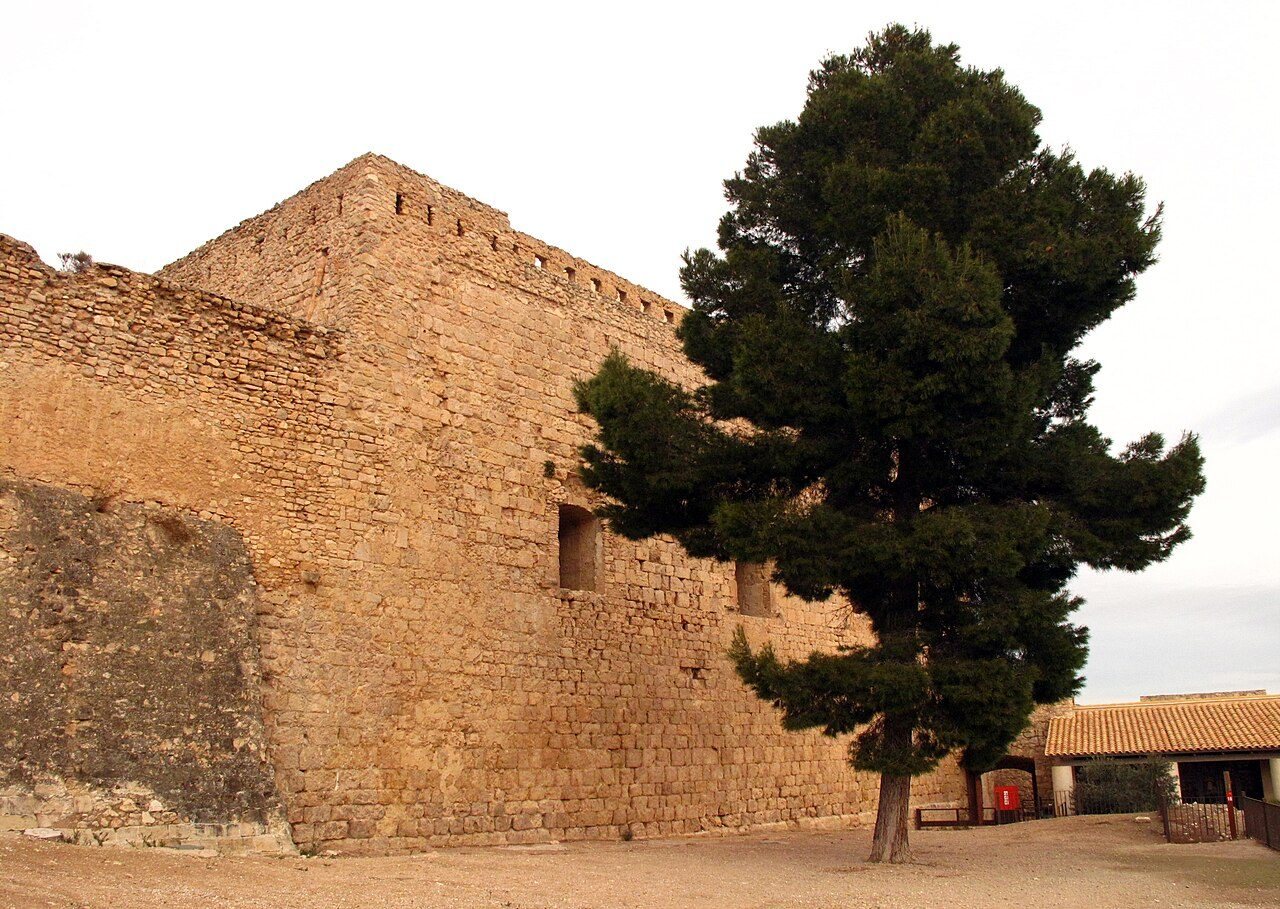
Photo: Enfo · CC BY-SA 3.0
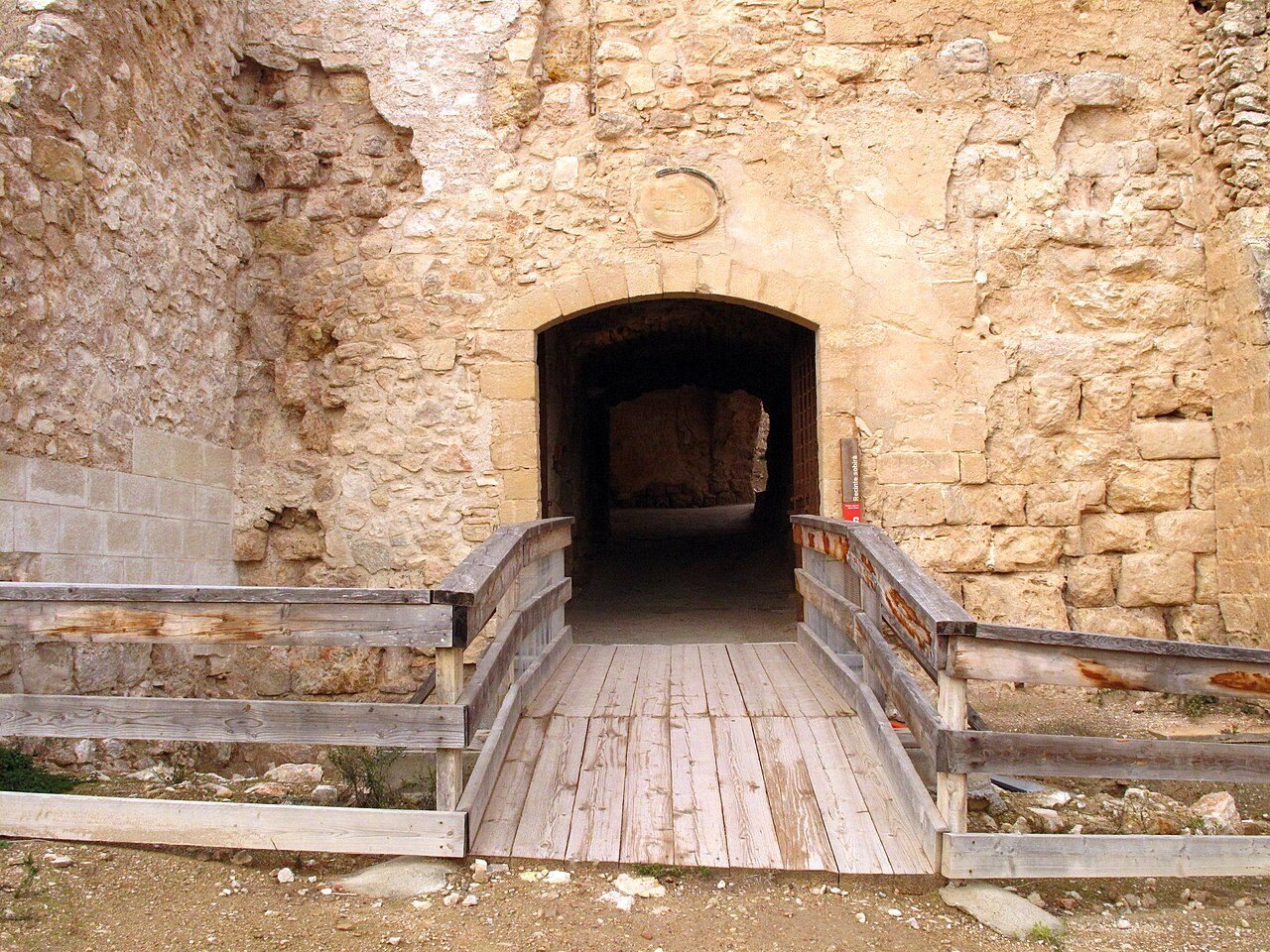
Photo: Enfo · CC BY-SA 3.0
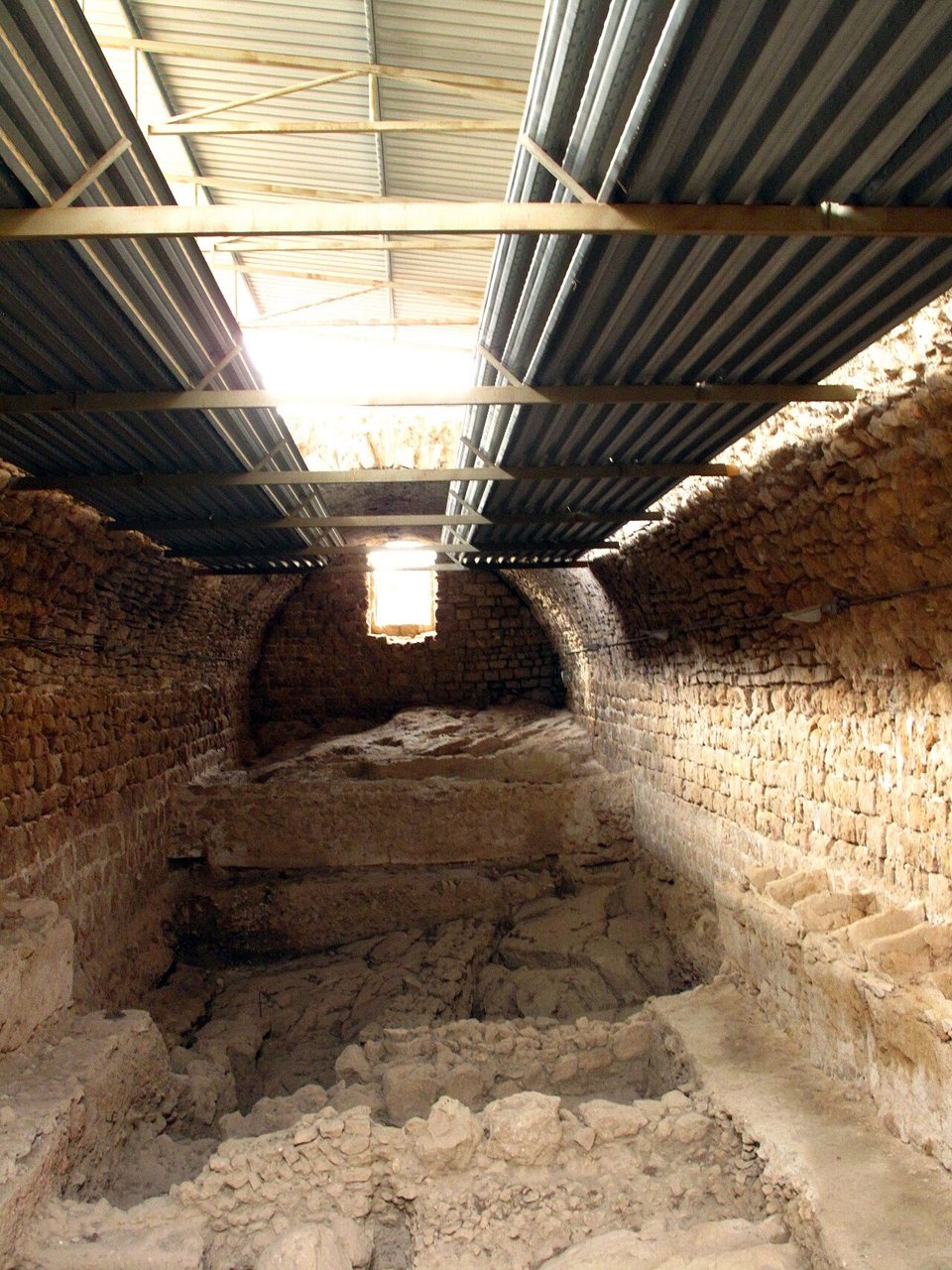
Photo: Enfo · CC BY-SA 3.0
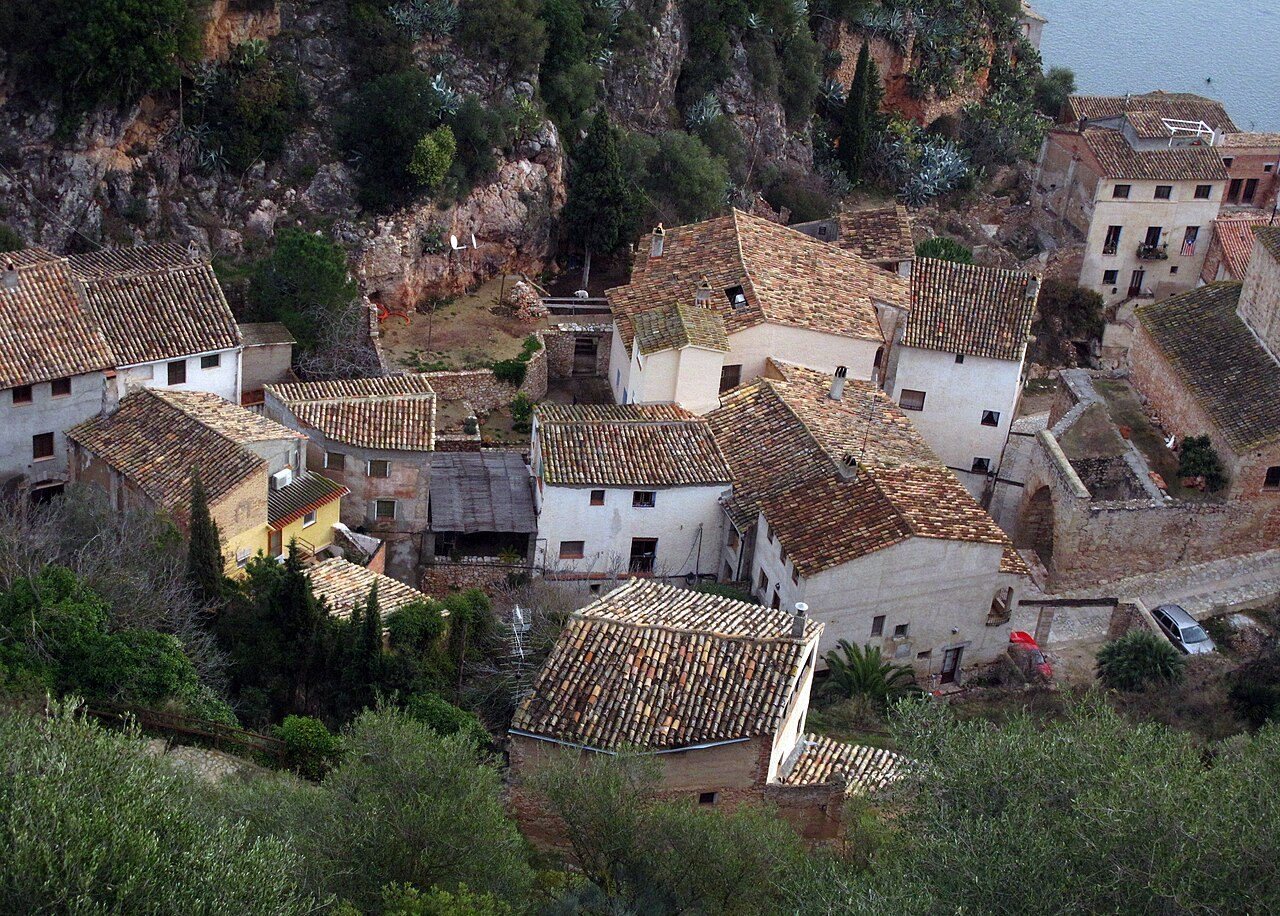
Photo: Enfo · CC BY-SA 4.0
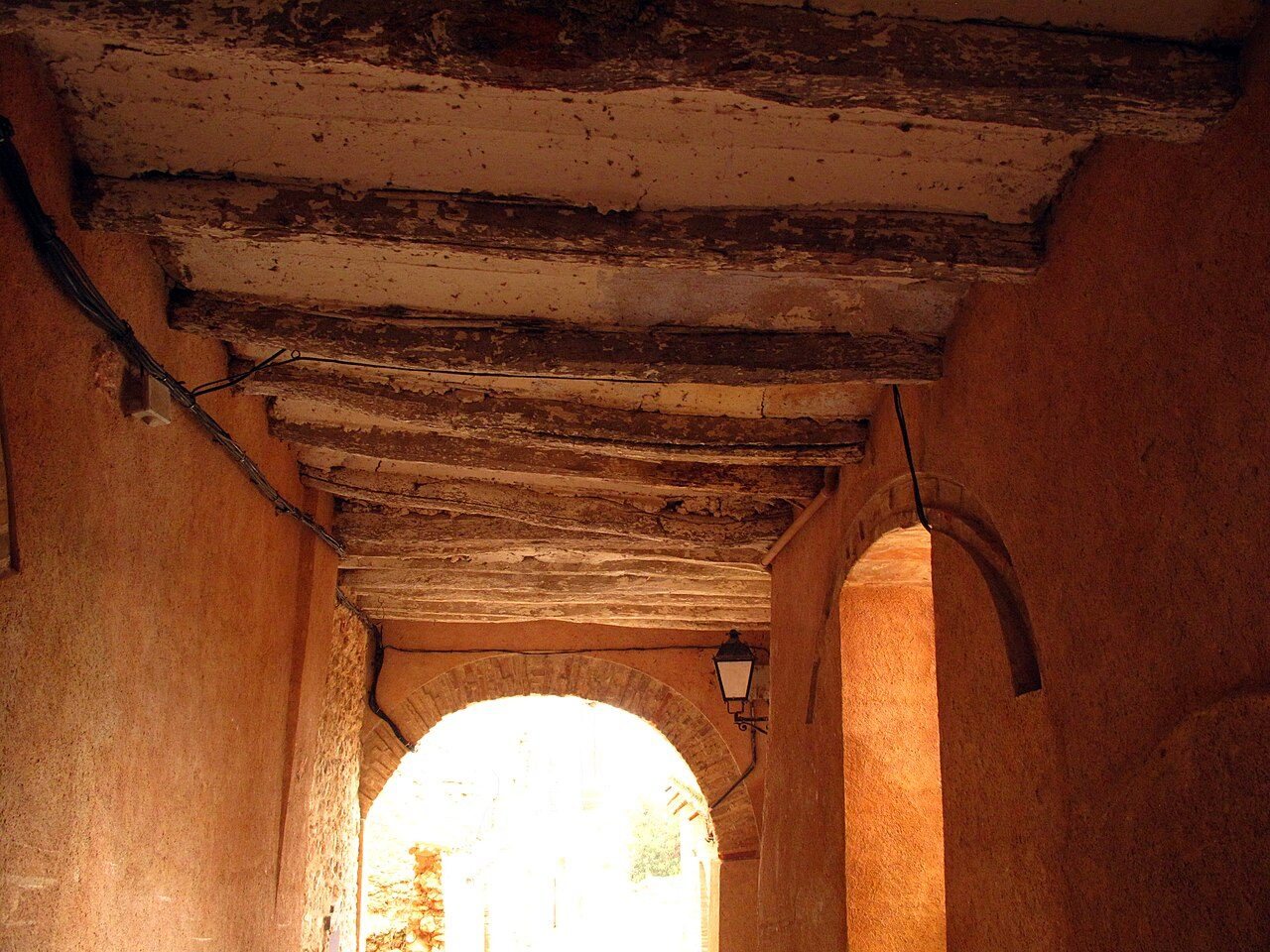
Photo: Enfo · CC BY-SA 4.0
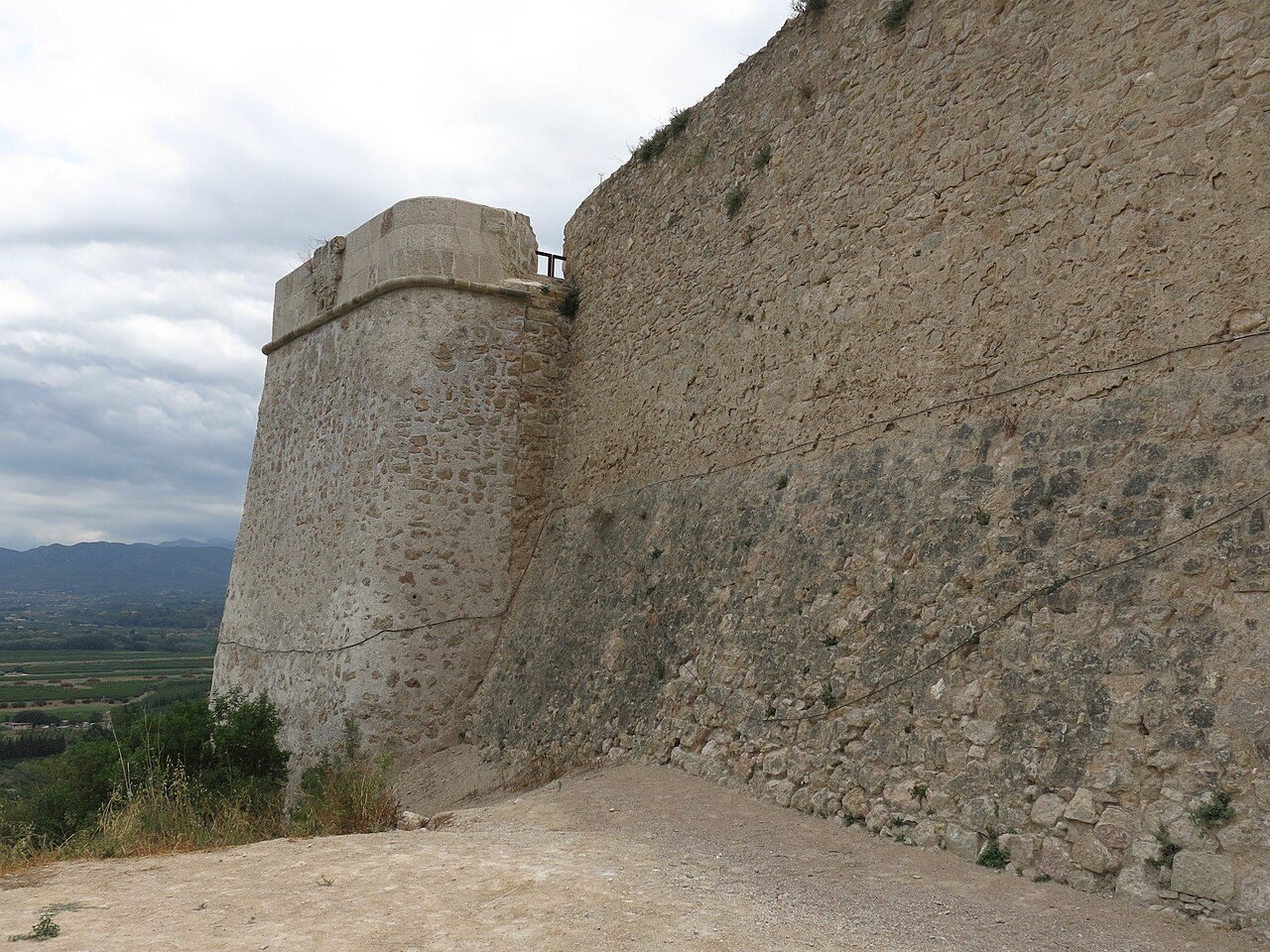
Photo: Enric · CC BY-SA 4.0
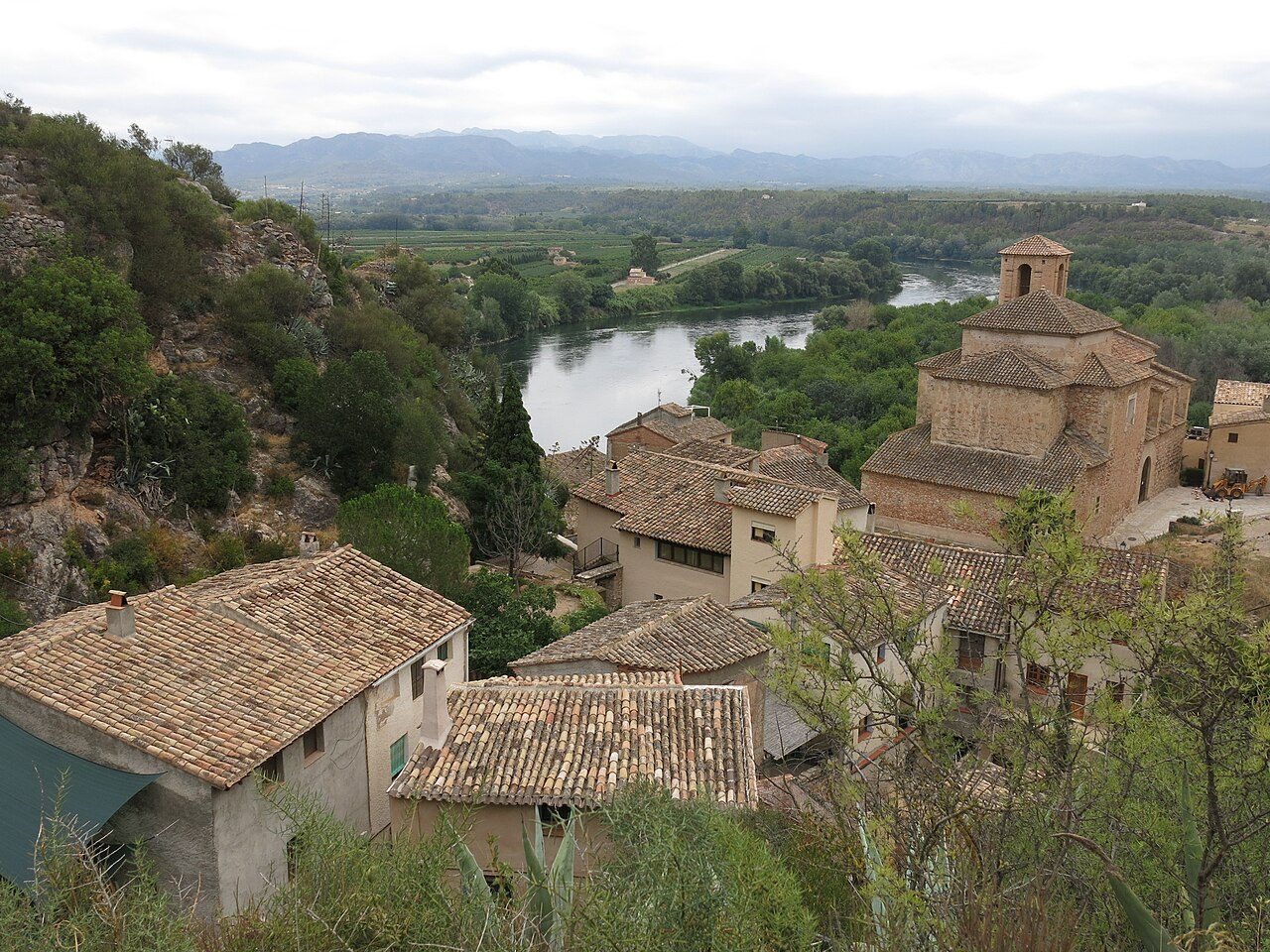
Photo: Enric · CC BY-SA 4.0
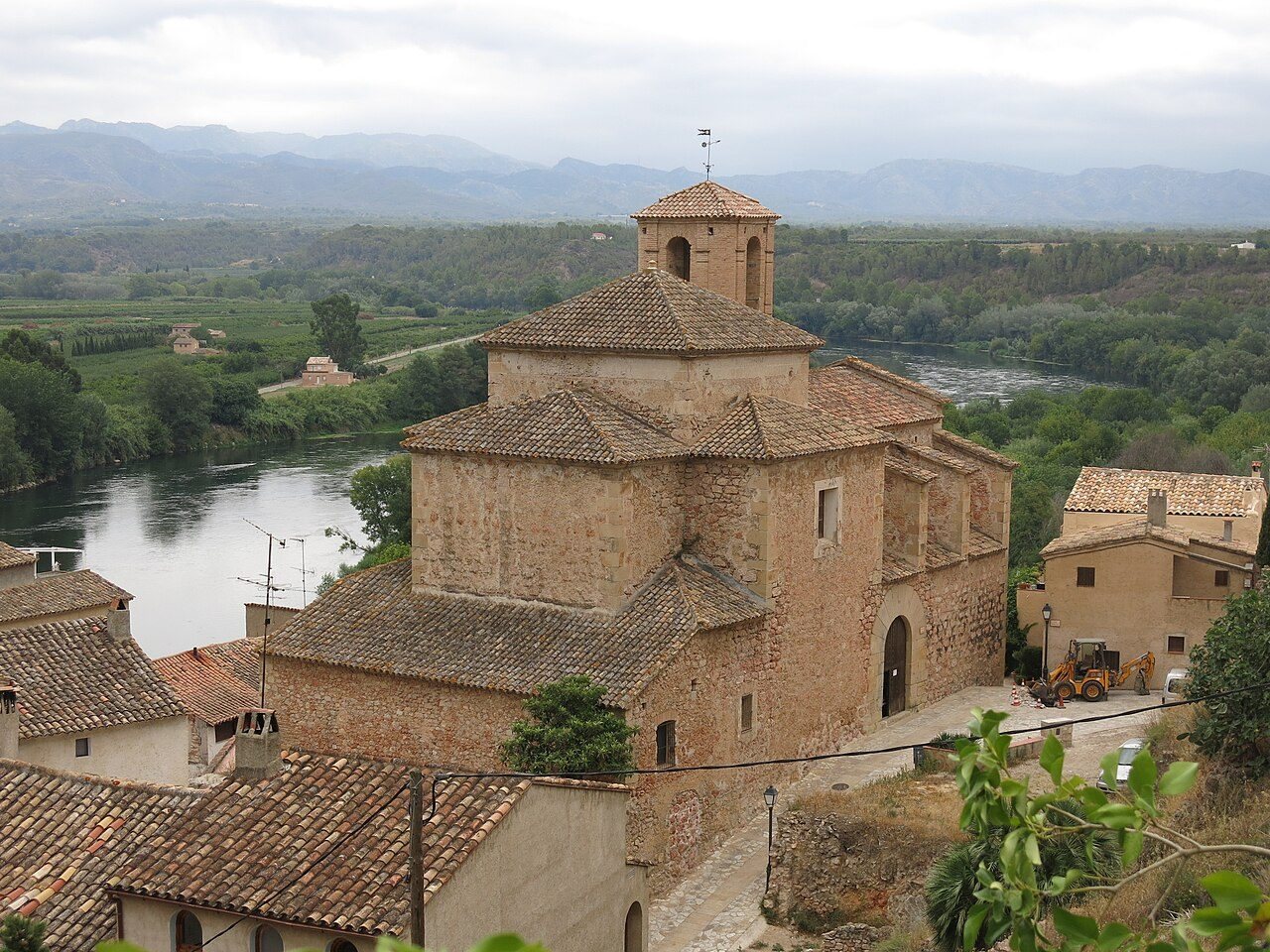
Photo: Enric · CC BY-SA 4.0
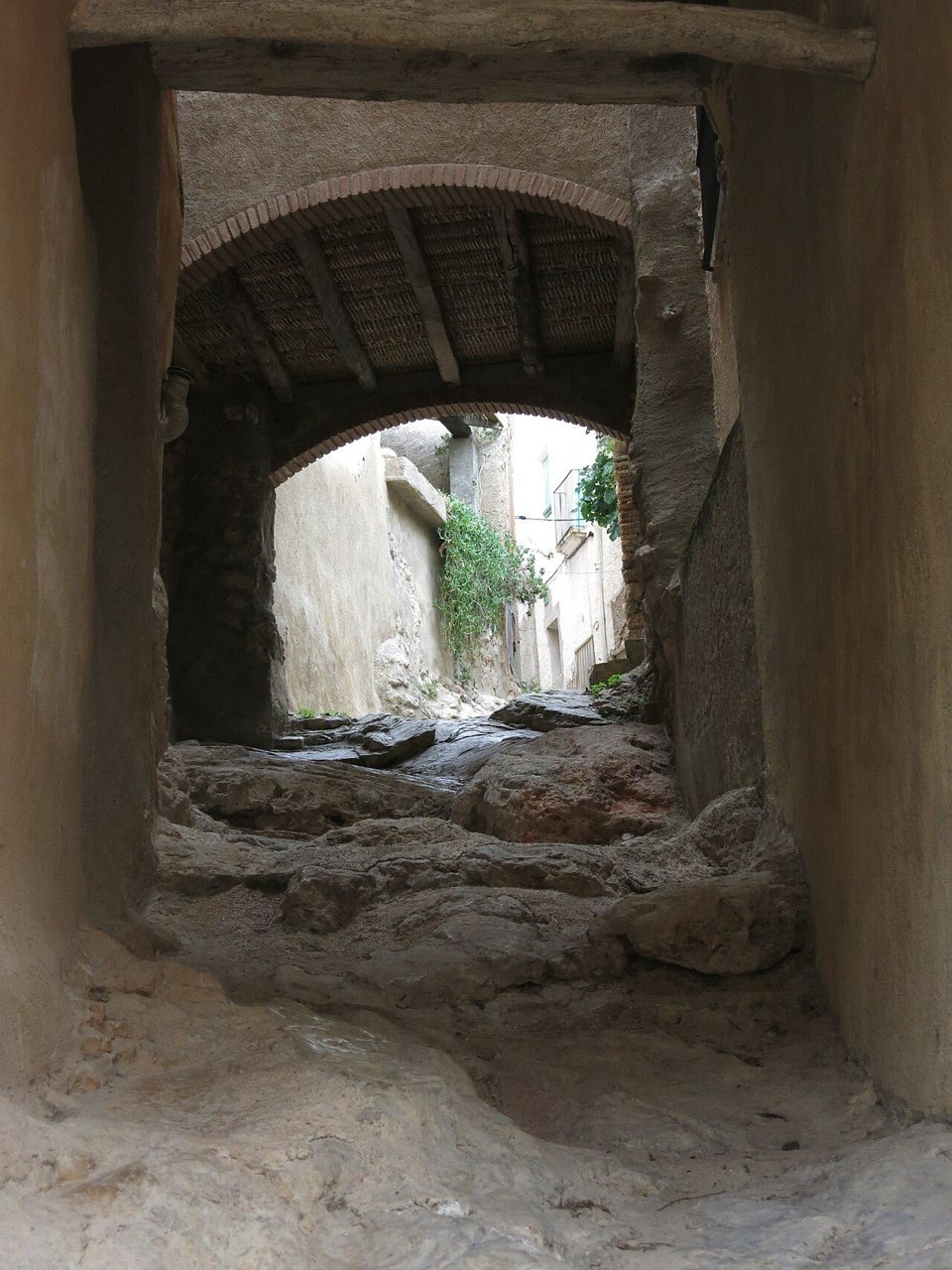
Photo: Enric · CC BY-SA 4.0
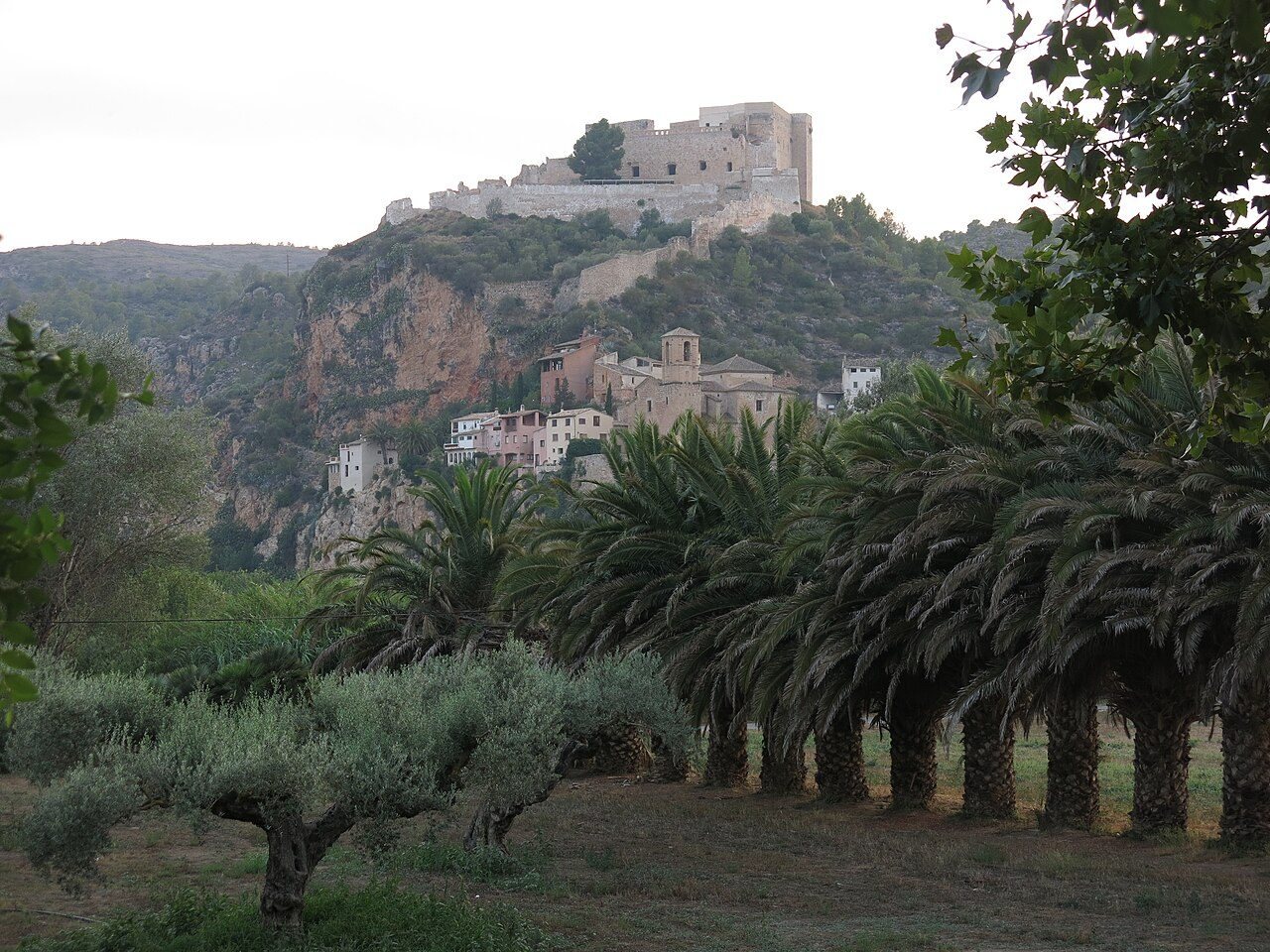
Photo: Enric · CC BY-SA 4.0
- 5th–1st c. BC
An Iberian settlement
The hill is occupied by an Iberian settlement that stretched from the upper part down to the area of the stables.
source: Patrimoni Cultural · Generalitat de Catalunya - 8th–11th c.
The ḥiṣn of Mûrabit
In al-Andalus, a ḥiṣn (castle) called Mûrabit protects the farmsteads along the Ebro. It already had two enclosures with a perimeter similar to today's.
source: Patrimoni Cultural · Generalitat de Catalunya - 1153
Conquest and grant to the Templars
Miravet falls to Ramon Berenguer IV. On August 23 the count grants it to Pere de Rovira, Templar master. The Muslim population stays, keeping its language, customs and religion.
source: Patrimoni Cultural · Generalitat de Catalunya - 1235
General Chapter of the Temple
The works move fast: in 1235 the General Chapter meets here. Miravet is the capital of the Templar province of Catalonia and Aragon.
source: Patrimoni Cultural · Generalitat de Catalunya - c. 1250
The Templar house at its height
The period shown in the reconstruction. Miravet rules over Gandesa, Corbera, Batea, el Pinell, Rasquera and, later on, Horta, Ascó and Riba-roja.
source: Patrimoni Cultural · Generalitat de Catalunya - 1307–1308
The final siege of the Templars
James II orders the Templar castles to be besieged. Miravet holds out for ten months under Brother Ramon de Saguàrdia. On December 12, 1308, the 22 men who remain surrender.
source: Patrimoni Cultural · Generalitat de Catalunya - 1314–1319
The Hospitallers and the Customs of Miravet
The property of the Temple passes to the Order of the Hospital (Castellany of Amposta). In 1319 the Customs of Miravet are approved.
source: Patrimoni Cultural · Generalitat de Catalunya - 1610
Expulsion of the Moriscos
Most of the population is expelled: 79 households out of 110. They go down the Ebro by boat to els Alfacs and are shipped to North Africa.
source: Patrimoni Cultural · Generalitat de Catalunya - 1643
Siege in the Reapers' War
Royal troops attack the castle; La Mothe-Houdancourt defeats them and takes more than a thousand prisoners. In 1650 Miravet finally falls.
source: Patrimoni Cultural · Generalitat de Catalunya - 18th c.
Succession and abandonment
The troops of Philip V occupy the castle. Later it is ordered to be abandoned and its use as a quarry is allowed: walls, doors and the church's rose window are plundered.
source: Patrimoni Cultural · Generalitat de Catalunya - 1835
Disentailment
The Hospitallers lose the castle, which is sold to a private owner from Tarragona.
source: Patrimoni Cultural · Generalitat de Catalunya - 1875
Third Carlist War
A Carlist stronghold, the castle is taken by the Liberals of General Martínez de Campos after a twenty-four-hour siege.
source: Patrimoni Cultural · Generalitat de Catalunya - 1938
Battle of the Ebro
On the night of July 25 the Republican army crosses the Ebro at Miravet. The castle serves as barracks and the town is bombed several times.
source: Patrimoni Cultural · Generalitat de Catalunya - 1990–1994
Monument
The Generalitat receives it as a donation and declares it a Cultural Asset of National Interest (1990). After excavation and restoration, it opens to the public in July 1994.
source: Patrimoni Cultural · Generalitat de Catalunya
Using the 3D model we worked out how big this castle was and what it took to build it. Here is a sample:
- How many people worked, how much stone, lime and carts, year by year
- Work by work and how we calculate it
- The data to download (CSV)
Leave your email and you will see everything, for this castle and all the others. As a gift, the castle poster.
Already signed up? Sign in with your email🏰 Enter the castle in 3D⏳ See how it changed⚒ How they built it⚔ The siege of Miravet (1308)